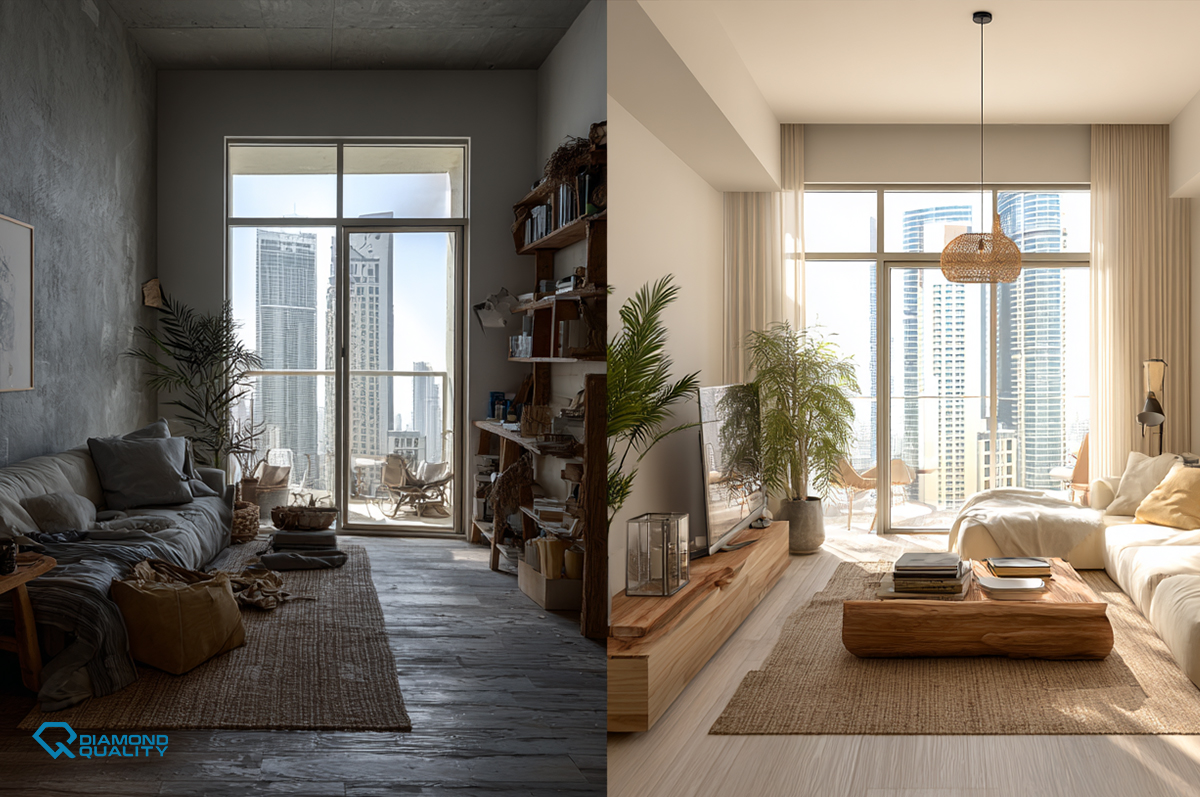

What Is Minimalist Kitchen Design Style?
Minimalist kitchen design style has emerged as one of the most sought-after approaches in contemporary home interiors, blending timeless elegance with practical functionality. This aesthetic prioritizes uncluttered spaces, clean lines, and essential elements to create a serene environment that enhances daily living. In an era where homes often feel overwhelmed by excess, the minimalist kitchen offers a refreshing retreat, focusing on quality over quantity in every detail. Whether you’re renovating a compact urban apartment or a spacious suburban home, embracing this style can transform your cooking area into a harmonious, efficient haven.
Defining Minimalist Kitchen Design Style Precisely
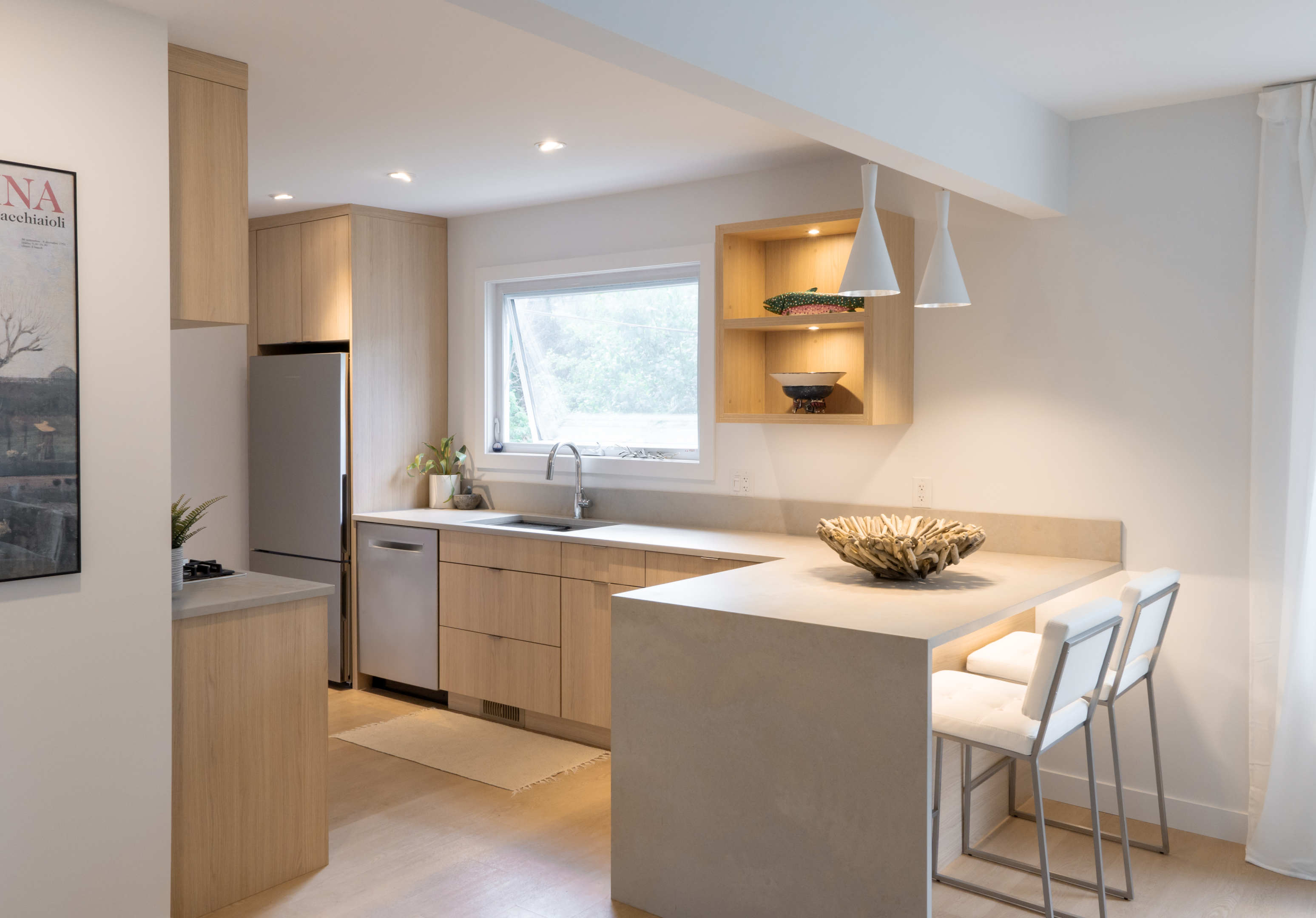
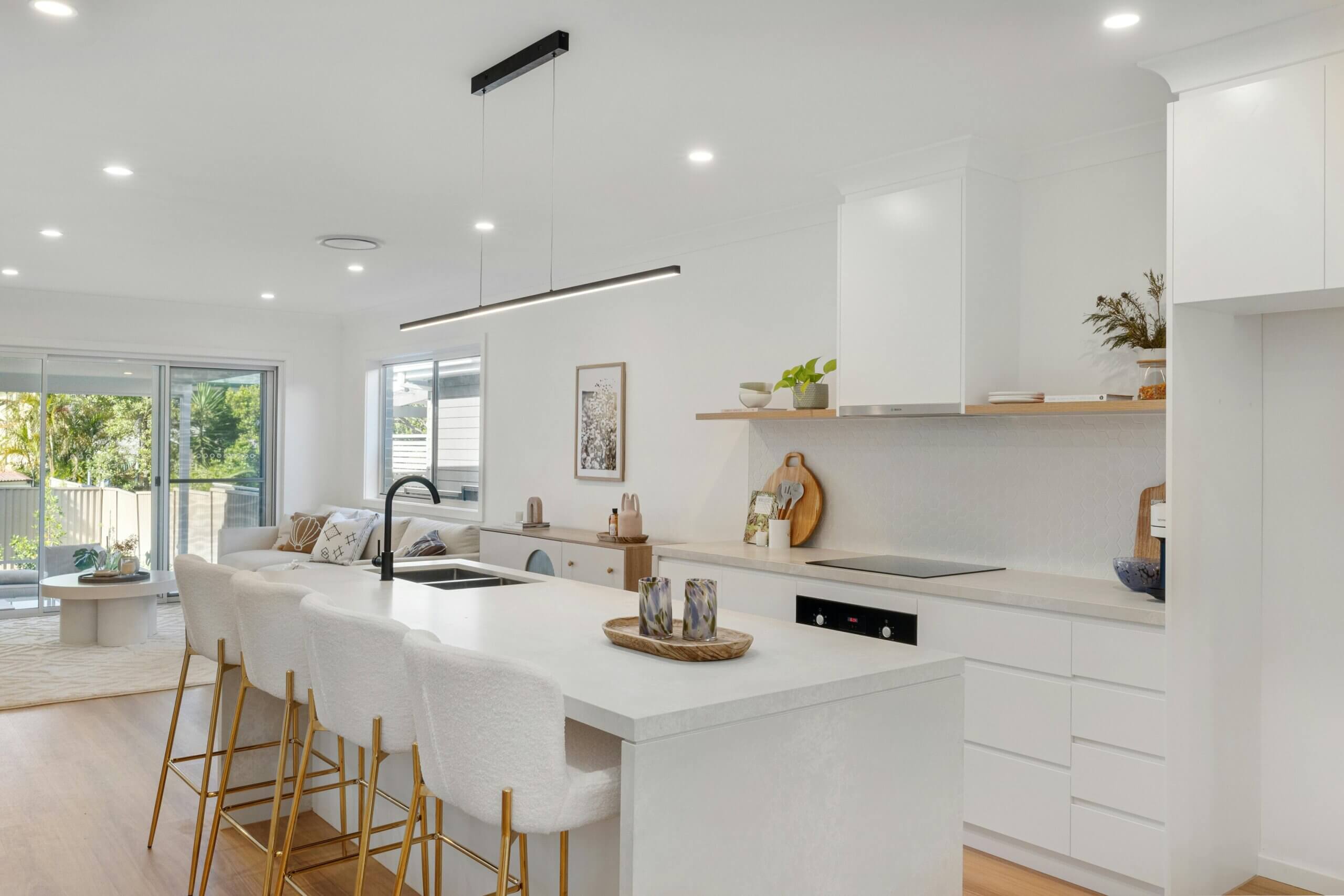
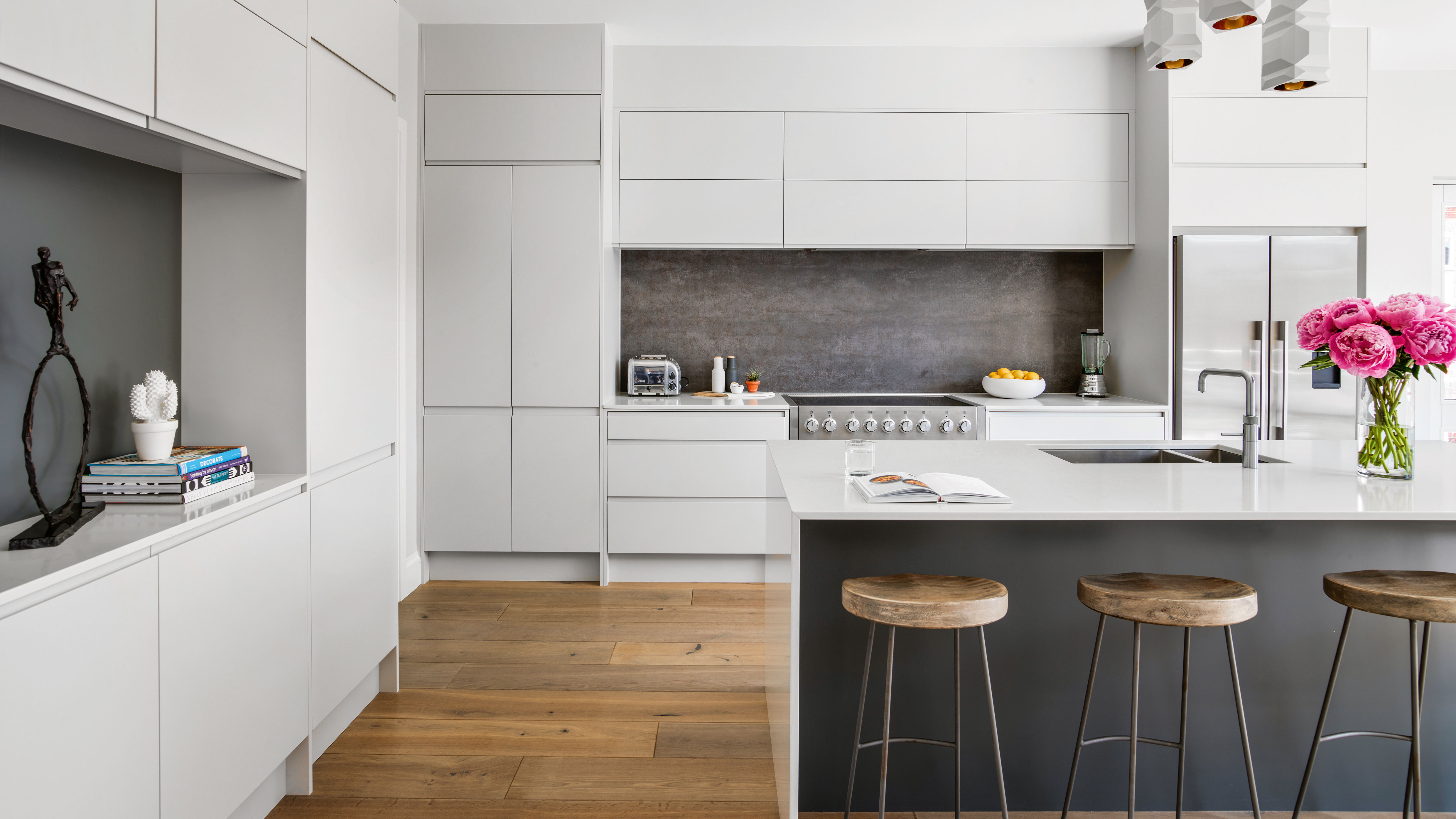
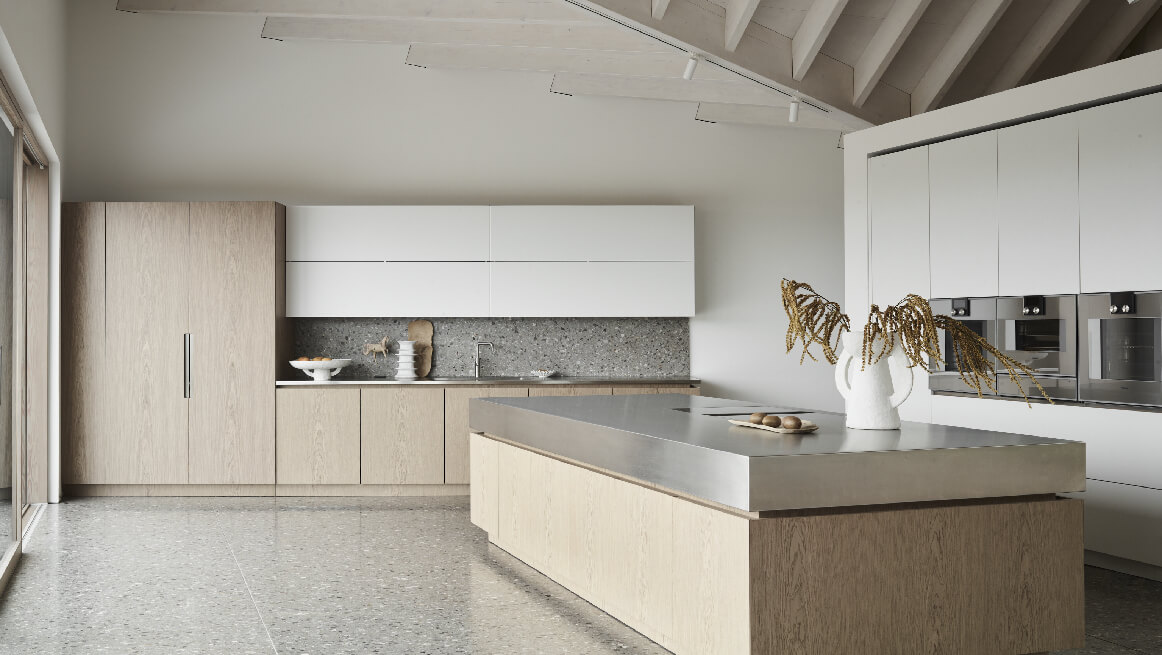
At its core, minimalist kitchen design style is a deliberate approach to creating a cooking space that eliminates unnecessary elements while emphasizing purposeful features. This modern kitchen design revolves around sleek surfaces, hidden storage solutions, and a limited palette of materials to achieve a seamless, clutter-free appearance. A minimal kitchen typically features flat-panel cabinetry, integrated appliances, and expansive countertops without ornate details or excessive decorations.
Experts in minimalist interior design describe it as an intentional curation of space, where every item—from fixtures to utensils—serves a clear function. Unlike overcrowded layouts, this simple kitchen style promotes openness and flow, often incorporating handleless cabinets, recessed lighting, and neutral tones to maintain visual calm. The result is a minimal kitchen that feels expansive and inviting, even in smaller footprints. By stripping away distractions, minimalist kitchen design style allows the architecture and high-quality materials to shine, fostering an atmosphere of tranquility amid busy routines.
This design philosophy extends beyond aesthetics; it supports sustainable living by encouraging the use of durable, long-lasting components rather than disposable trends. In practice, a minimalist kitchen might include quartz or granite countertops for their durability and understated elegance, paired with subtle backsplashes that blend seamlessly into the overall scheme.
The Philosophy of “Less Is More” in Minimalist Kitchen Design
The guiding principle of minimalist kitchen design style is the iconic philosophy of “less is more,” coined by architect Ludwig Mies van der Rohe. This mantra encapsulates the idea that true sophistication arises from restraint, where removing excess reveals the beauty and utility of what’s essential. In a modern kitchen design context, “less is more” means prioritizing high-quality, multifunctional pieces over abundant gadgets and embellishments.
Applying this to a minimal kitchen involves decluttering countertops, concealing appliances behind sleek panels, and selecting only items that add genuine value. The outcome is not emptiness but intentional simplicity—a space that promotes mindfulness and efficiency. For instance, instead of displaying numerous small appliances, a minimalist interior might feature built-in units that keep surfaces clear, allowing for uninterrupted prep areas and a sense of spaciousness.
This philosophy resonates deeply in today’s fast-paced world, offering a counterbalance to overstimulation. It encourages homeowners to invest in fewer, better items, such as premium cookware or ergonomic tools, resulting in a simple kitchen style that feels luxurious without excess. Ultimately, “less is more” transforms the kitchen from a chaotic hub into a peaceful sanctuary, where cooking becomes a joyful, focused experience.
Differences Between Minimalism and Ordinary Simplicity in Kitchen Design
While minimalist kitchen design style and ordinary simplicity may appear similar at first glance, key distinctions set them apart in depth and intention. Ordinary simplicity often arises from practicality or budget constraints, resulting in basic layouts without much forethought—think plain cabinets and minimal decor born of necessity rather than design choice.
In contrast, true minimalism in a modern kitchen design is a purposeful aesthetic rooted in intentionality and refinement. A minimal kitchen goes beyond mere reduction; it involves meticulous planning to ensure every element contributes to harmony and functionality. For example, while a simply designed kitchen might have exposed shelves for convenience, minimalist interior principles favor hidden storage to eliminate visual noise entirely.
Minimalist kitchen design style also emphasizes premium materials and precise craftsmanship, creating an elevated feel that ordinary simplicity might lack. Handleless doors, seamless integrations, and monochromatic schemes in a minimal kitchen achieve a polished, contemporary look, whereas basic simplicity could feel unfinished or utilitarian. This deliberate approach makes minimalist kitchens more adaptable to various lifestyles, blending seamlessly with minimalist interior trends while ordinary simplicity might not evolve as elegantly over time.
The Connection Between Minimalist Kitchen Design Style and Modern Kitchen Design
Minimalist kitchen design style shares a profound connection with broader modern kitchen design trends, often serving as its purest expression. Modern kitchen design encompasses clean lines, innovative materials, and functional layouts, with minimalism amplifying these traits through extreme restraint. Many contemporary kitchens draw directly from minimalist principles, incorporating elements like open-plan configurations, integrated technology, and neutral palettes to achieve a timeless appeal.
In essence, minimalist kitchen design style is a subset of modern kitchen design, stripping away any superfluous details to focus on essence. Features such as floating islands, matte finishes, and smart storage solutions are hallmarks of both, but minimalism takes them further by enforcing strict curation. This synergy allows a minimal kitchen to feel cutting-edge yet enduring, avoiding fleeting fads in favor of enduring sophistication.
As trends evolve, the bond strengthens—modern innovations like touch-to-open cabinets and energy-efficient appliances align perfectly with minimalist values of efficiency and subtlety. Whether in urban lofts or family homes, this connection ensures that minimalist kitchen design style remains a cornerstone of modern kitchen design, offering spaces that are as practical as they are visually stunning.
:strip_icc()/CaptureOneSession24597-da28725d90b8456eac738e309ccb7cab.jpg)
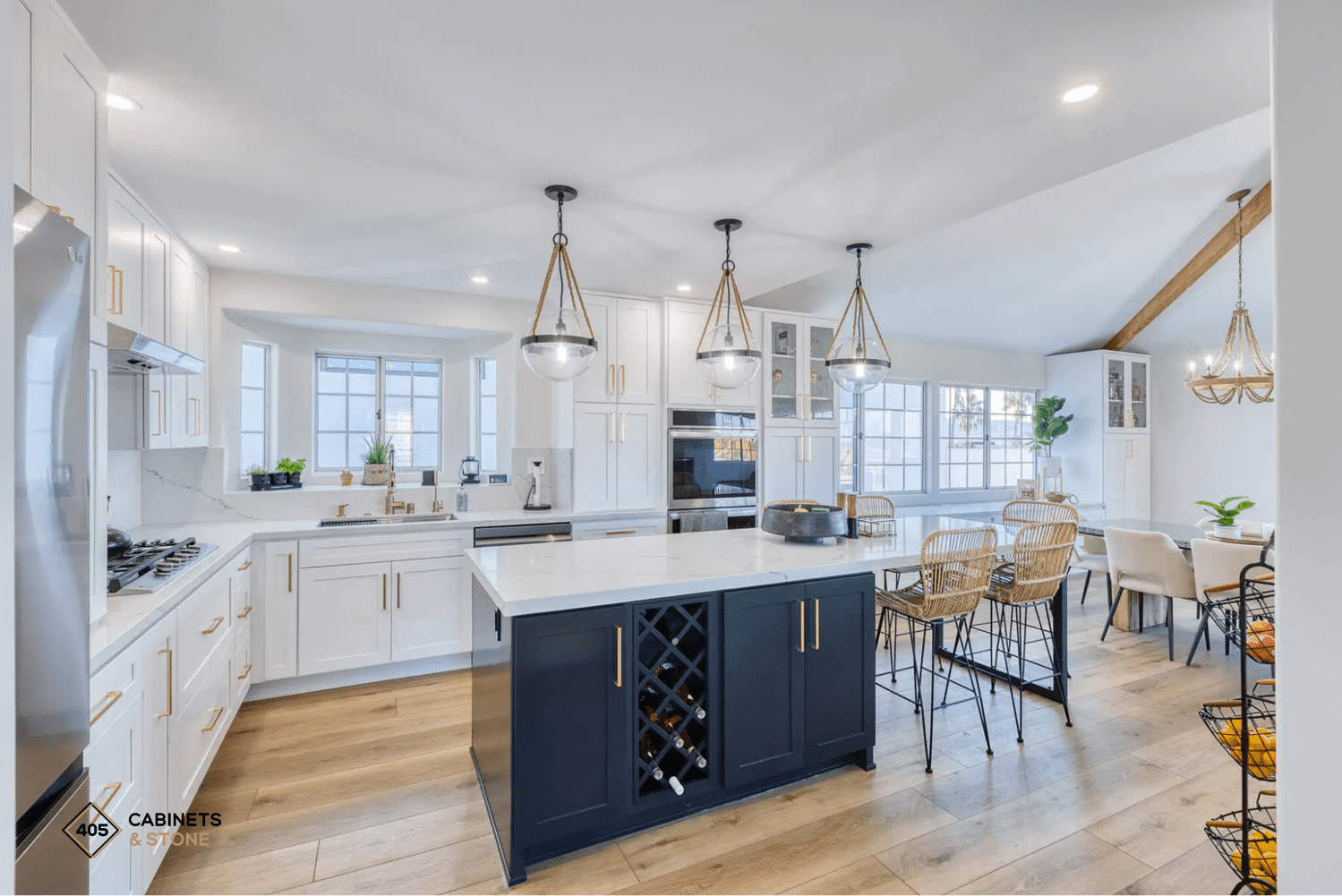
Exploring minimalist kitchen design style reveals its power to redefine how we interact with one of the home’s most vital spaces. By embracing precise definitions, the “less is more” ethos, thoughtful distinctions from basic simplicity, and its intrinsic ties to modern kitchen design, homeowners can craft environments that are not only beautiful but profoundly livable. This approach continues to inspire, proving that in the realm of minimalist interiors and simple kitchen styles, intentional restraint yields the greatest rewards.
Core Principles of Minimalist Kitchen Design Style
The foundational elements of minimalist kitchen design style form the backbone of this enduring approach, transforming ordinary cooking spaces into serene, efficient havens within modern homes. By adhering to these key principles, designers and homeowners alike create minimal kitchens that prioritize clarity, purpose, and visual harmony. This simple kitchen style not only enhances aesthetic appeal but also promotes a lifestyle of intentionality, where every aspect of the minimalist interior contributes to a calmer, more organized daily routine. Embracing these principles in modern kitchen design ensures spaces that are timeless, adaptable, and profoundly functional, making them ideal for contemporary living.
Simplicity in Form and Lines in Minimalist Kitchen Design Style
Central to minimalist kitchen design style is an unwavering commitment to simplicity in form and lines, which creates a sense of effortless elegance and spaciousness. This principle revolves around clean, uninterrupted visuals that draw the eye smoothly across the room without distraction.
Straight lines dominate the architecture, from countertops to cabinet edges, fostering a streamlined look that feels both contemporary and calming. In a minimal kitchen, these crisp, horizontal and vertical lines replace curved or ornate profiles, resulting in a modern kitchen design that appears larger and more open, even in compact layouts.
Eliminating excess details is another hallmark, where embellishments like molding, carvings, or decorative hardware are deliberately omitted. This reduction allows high-quality materials—such as matte laminates or natural wood grains—to take center stage, highlighting their inherent beauty in the minimalist interior.
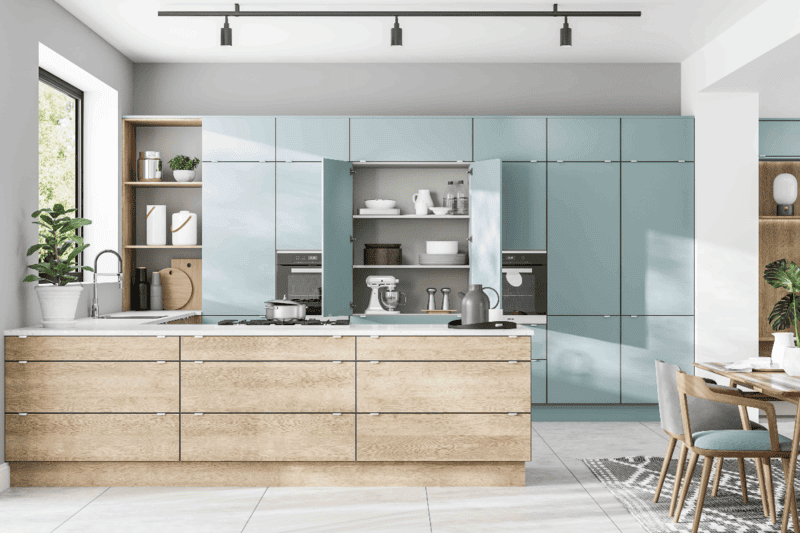
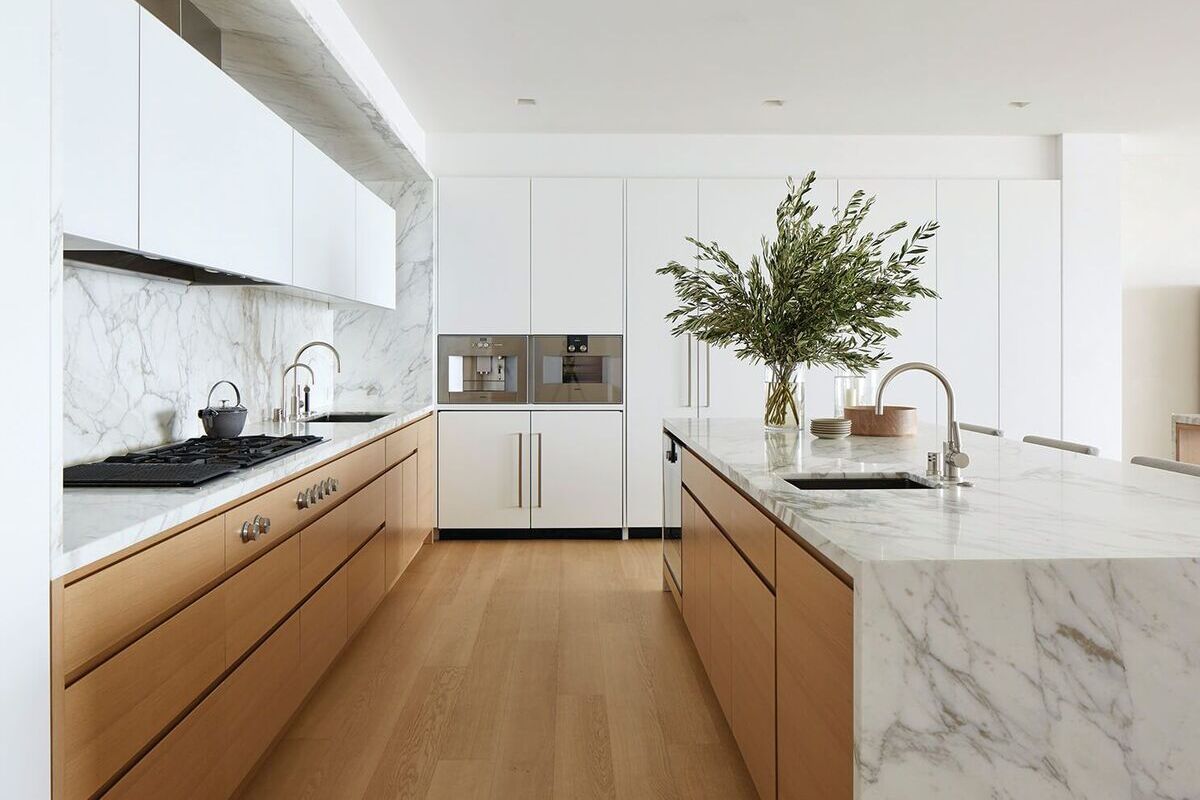
Handleless cabinets exemplify this simplicity perfectly, using push-to-open mechanisms or integrated grooves for a seamless facade. These sleek, flat-panel doors in a simple kitchen style not only reduce visual clutter but also enhance ease of cleaning and maintenance. By focusing on pure geometry, this approach in minimalist kitchen design style achieves a sophisticated minimalism that aligns seamlessly with broader minimalist interior trends, offering enduring appeal over fleeting decorations.


:max_bytes(150000):strip_icc()/SPR-minimalist-kitchens-4767227-hero-b310f24f51a64a08941eba796a483086.jpg)
Eliminating Unnecessary Elements in Minimalist Kitchen Design Style
A defining principle of minimalist kitchen design style is the rigorous elimination of unnecessary elements, which cultivates an environment of tranquility and order. This intentional decluttering goes beyond surface-level tidiness, embedding mindfulness into the very structure of the space.
Minimal accessories are key, with countertops kept deliberately bare except for essential tools that are stored away when not in use. In a minimal kitchen, this means forgoing decorative items like open shelving filled with knick-knacks, opting instead for concealed storage that maintains a pristine, uncluttered appearance.
The focus shifts emphatically to functionality, ensuring that every visible component serves a practical purpose without superfluous adornment. This creates organized, airy spaces in modern kitchen design where airflow and light dominate, reducing stress and enhancing productivity during meal preparation.
Clutter-free and orderly environments emerge naturally, supported by smart organizational systems hidden behind doors. For instance, pull-out drawers and integrated appliance garages keep surfaces immaculate, aligning with minimalist interior ideals of restraint. By removing non-essentials, this principle in minimalist kitchen design style not only simplifies cleaning but also encourages sustainable habits, such as owning fewer, higher-quality items that stand the test of time in a simple kitchen style.
Emphasis on Functionality in Minimalist Kitchen Design Style
Functionality stands as a cornerstone principle in minimalist kitchen design style, ensuring that beauty and utility coexist harmoniously without compromise. This approach prioritizes practical, user-centered layouts that streamline daily tasks in the heart of the home.
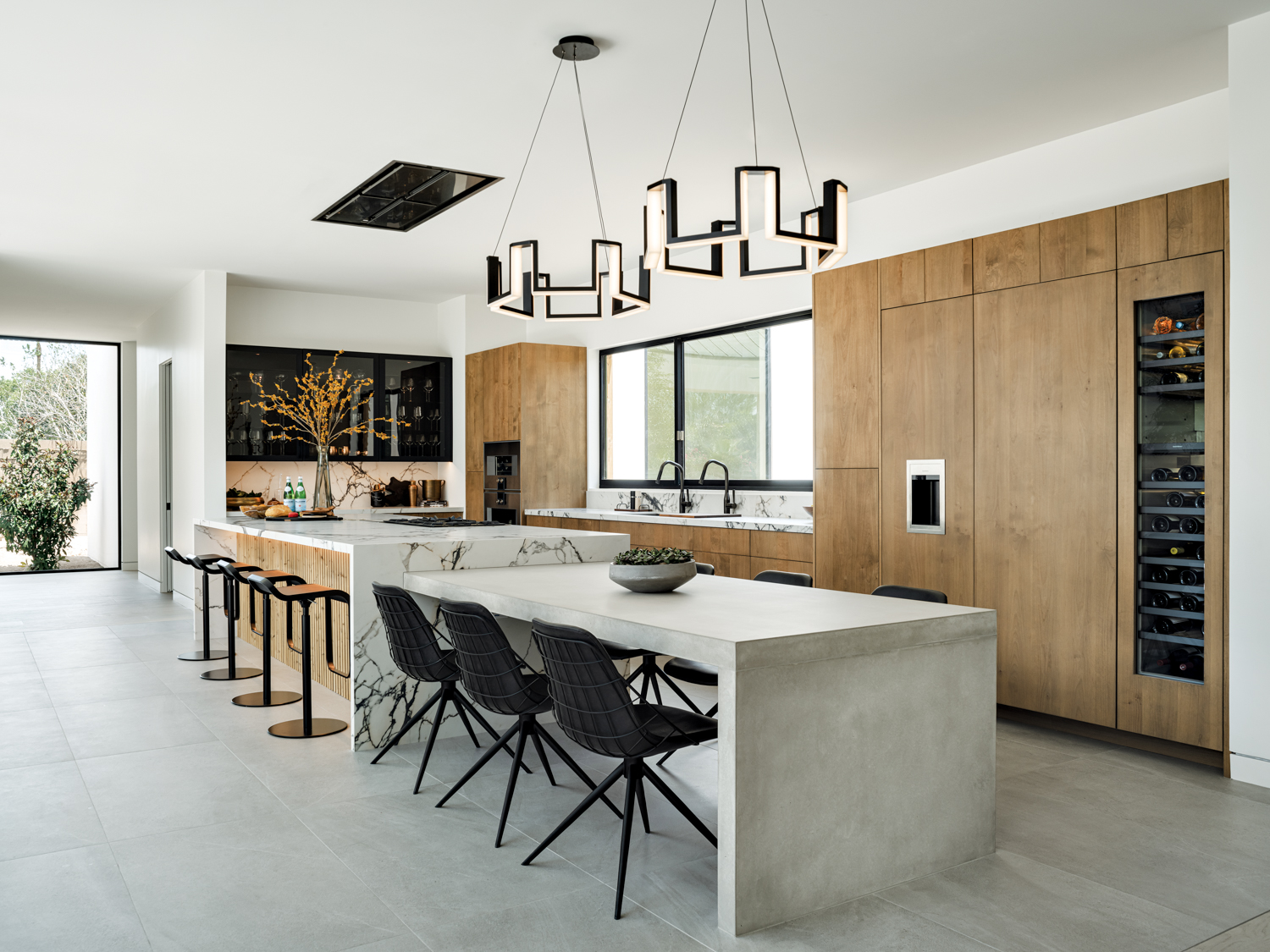
Every element possesses a clear, defined purpose, from ergonomic placements to multifunctional features that maximize efficiency. In a minimal kitchen, islands might double as prep areas and casual dining spots, while built-in organizers tailor storage to specific needs, embodying the essence of modern kitchen design.
Designs are grounded in everyday use, considering workflows like the classic work triangle between sink, stove, and refrigerator to minimize unnecessary movement. This thoughtful planning in minimalist interior spaces results in intuitive environments where cooking, cleaning, and gathering feel effortless and enjoyable.
By integrating high-performance appliances seamlessly and choosing durable, easy-to-maintain surfaces, this principle elevates the simple kitchen style to a level of refined practicality. Ultimately, the emphasis on functionality in minimalist kitchen design style delivers spaces that not only look impeccably serene but also perform exceptionally well, supporting busy lifestyles with quiet efficiency and long-term satisfaction.
.webp)
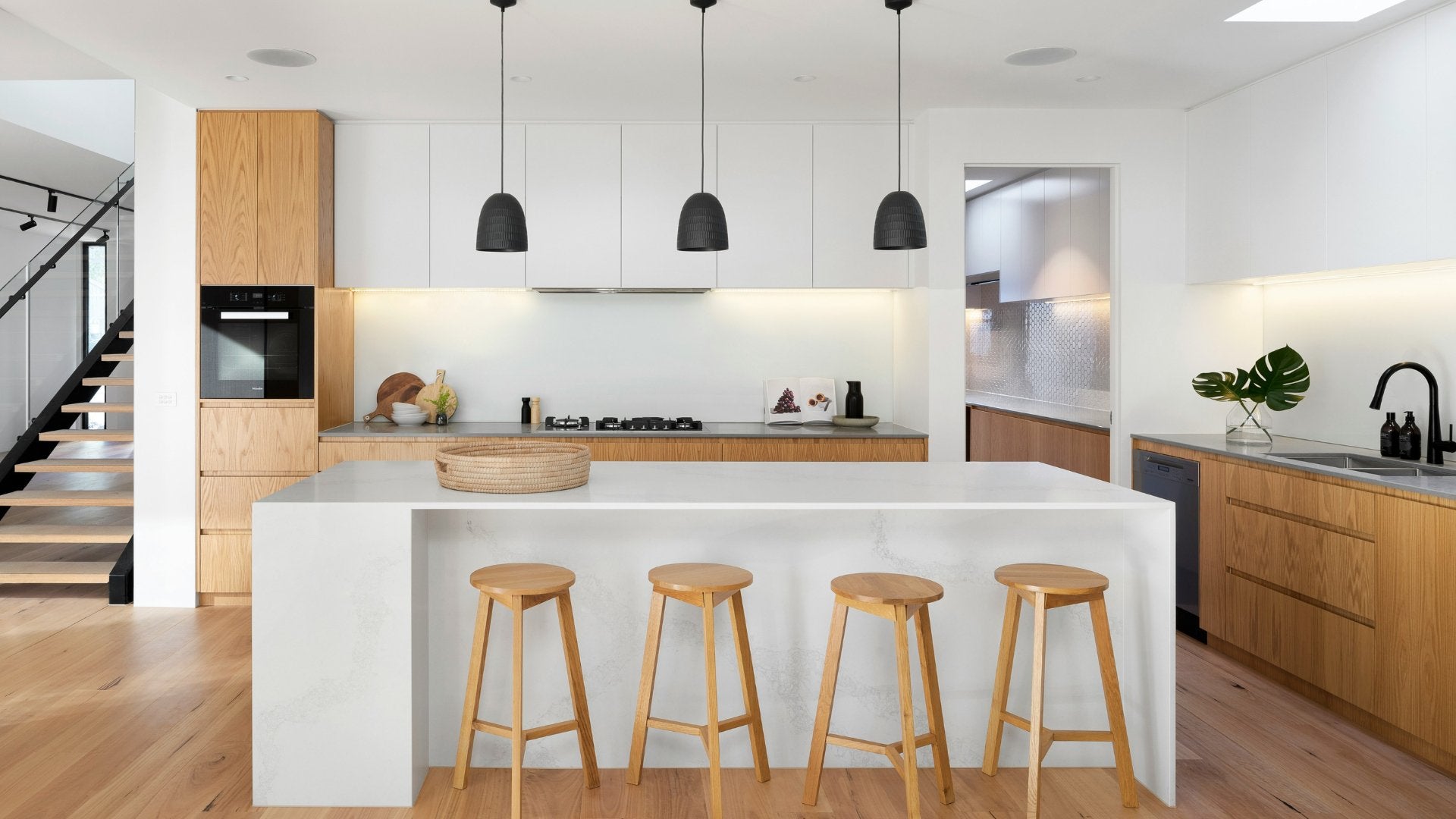
Delving into the core principles of minimalist kitchen design style reveals a profound philosophy that blends aesthetic restraint with practical wisdom. Through simplicity in form and lines, the removal of unnecessary elements, and a steadfast focus on functionality, this approach crafts minimal kitchens that endure as pillars of modern kitchen design. Homeowners adopting these tenets discover not just visually stunning spaces but transformative environments that foster clarity, efficiency, and joy in everyday rituals, solidifying the timeless allure of minimalist interiors and simple kitchen styles.
Color Palette in Minimalist Kitchen Design Style
Color selection plays a pivotal role in minimalist kitchen design style, defining the overall atmosphere and enhancing the sense of serenity that this aesthetic champions. In modern kitchen design, hues are chosen not for bold statements but to support uncluttered, harmonious spaces that feel timeless and inviting. A well-curated palette in a minimal kitchen amplifies simplicity, allowing textures and forms to stand out while promoting a calming environment ideal for daily use. This approach to coloring in minimalist interiors ensures that the simple kitchen style remains versatile, adaptable to various home sizes and lighting conditions, ultimately contributing to a sophisticated yet understated elegance that endures through trends.
Common Colors in Minimalist Kitchen Design Style
The most prevalent shades in minimalist kitchen design style revolve around neutral, subdued tones that foster cleanliness and openness, perfectly aligning with the principles of modern kitchen design. These colors create a backdrop that highlights architectural elements and high-quality materials without overwhelming the senses.
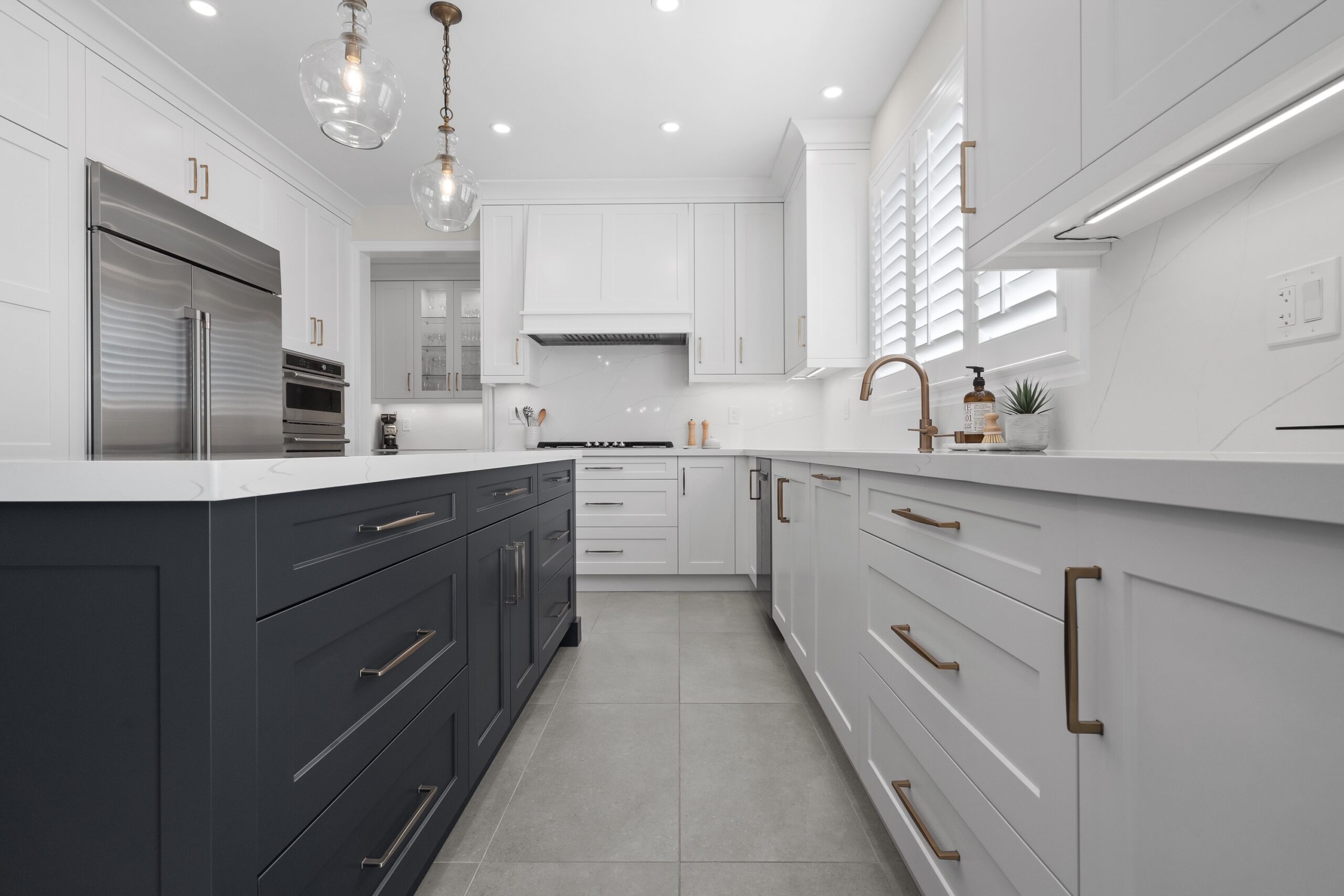
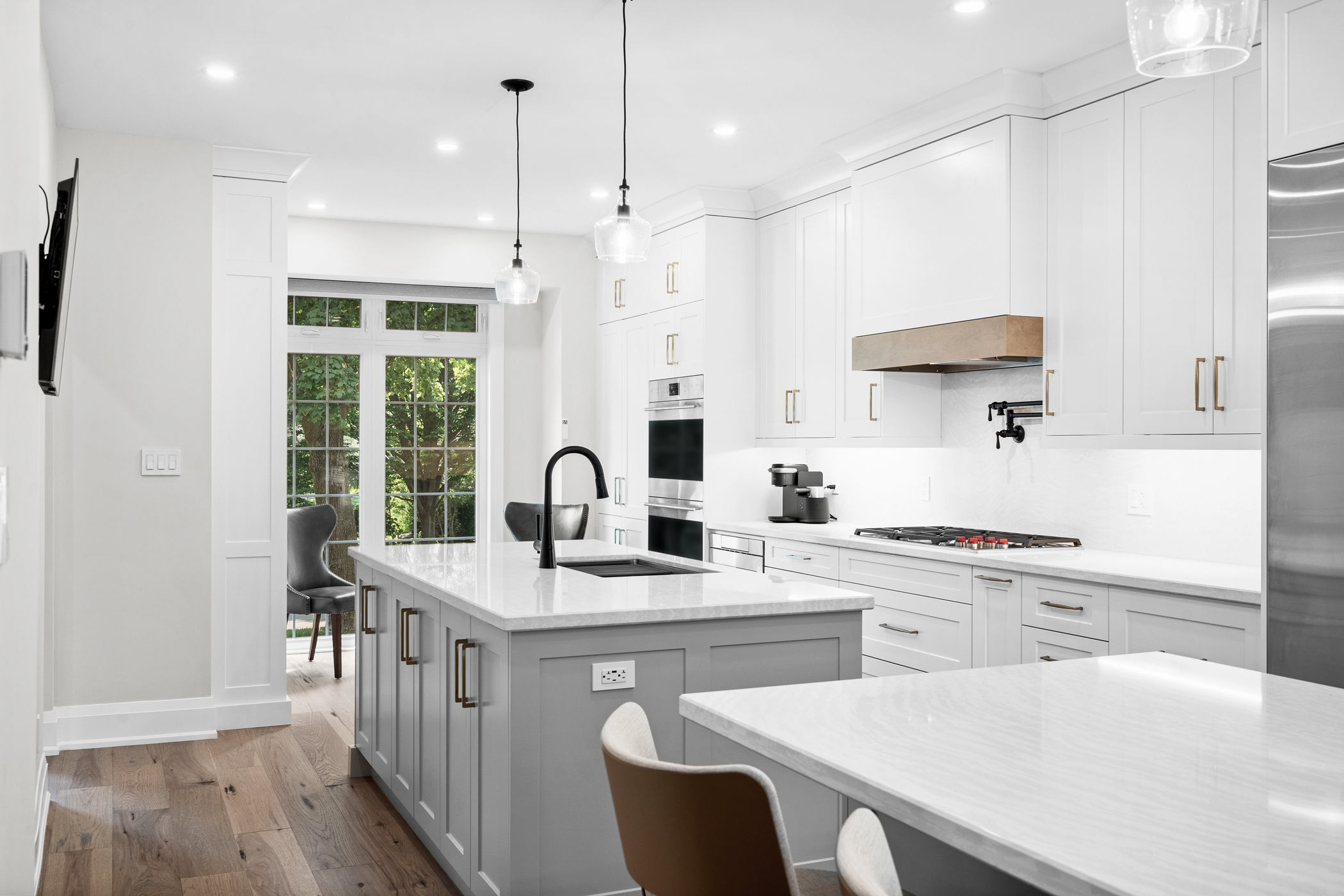
White dominates as the quintessential choice for a minimal kitchen, offering unparalleled brightness and a seamless, expansive feel. All-white schemes, from glossy cabinets to matte countertops, reflect light beautifully, making even compact spaces appear larger and more airy in this simple kitchen style.
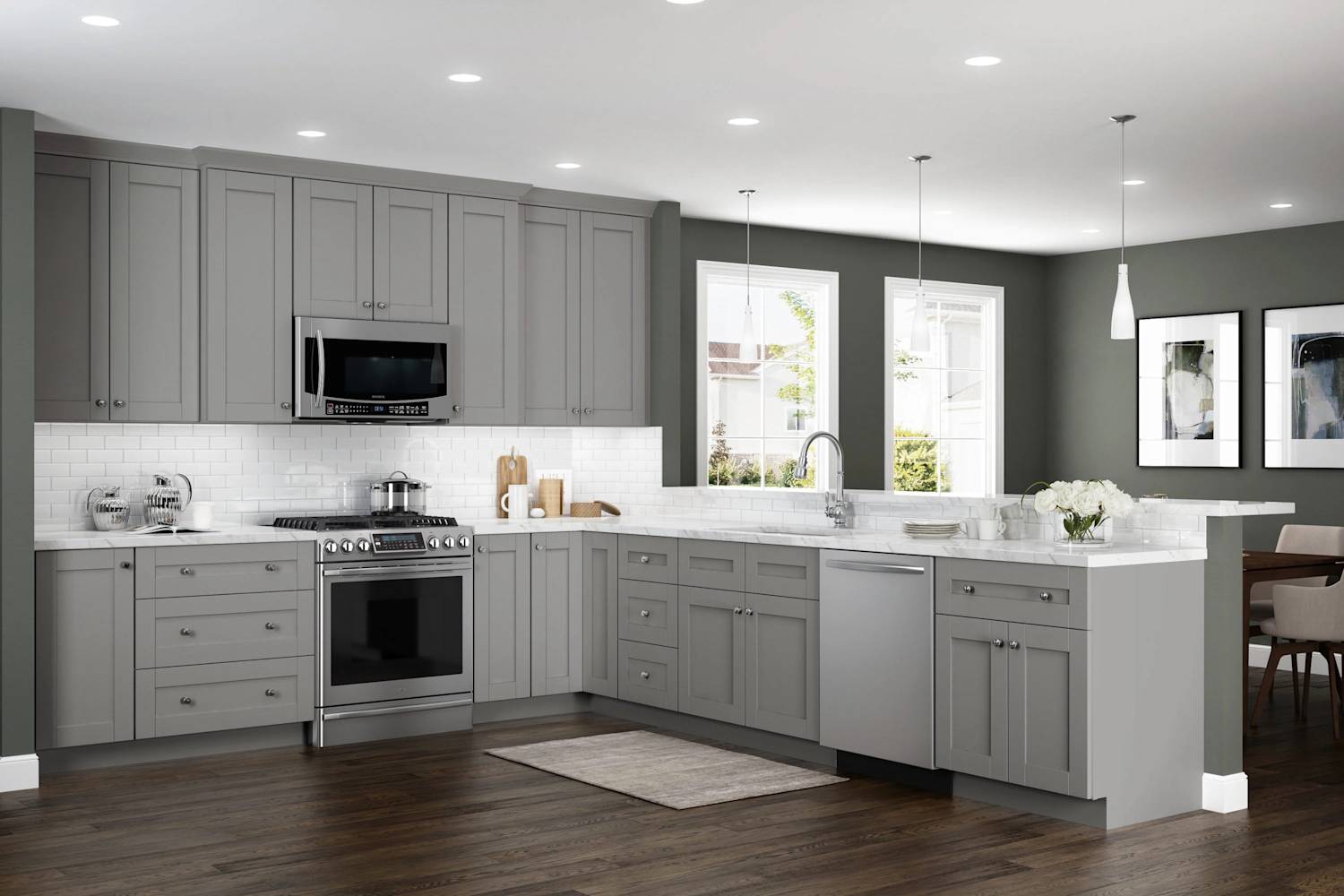
Gray tones provide subtle depth and sophistication, ranging from light dove gray for softness to deeper charcoal for contrast. Sleek gray cabinetry paired with stainless steel accents embodies minimalist interior trends, adding a contemporary edge while maintaining visual calm.
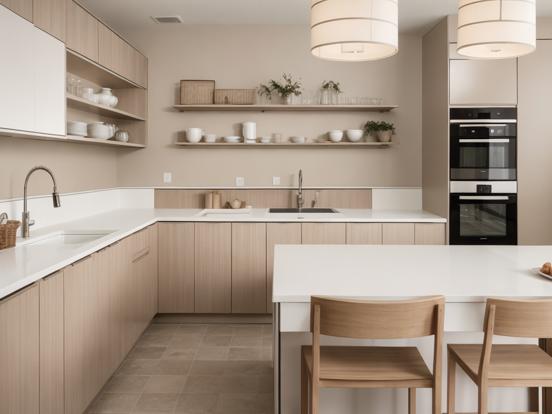
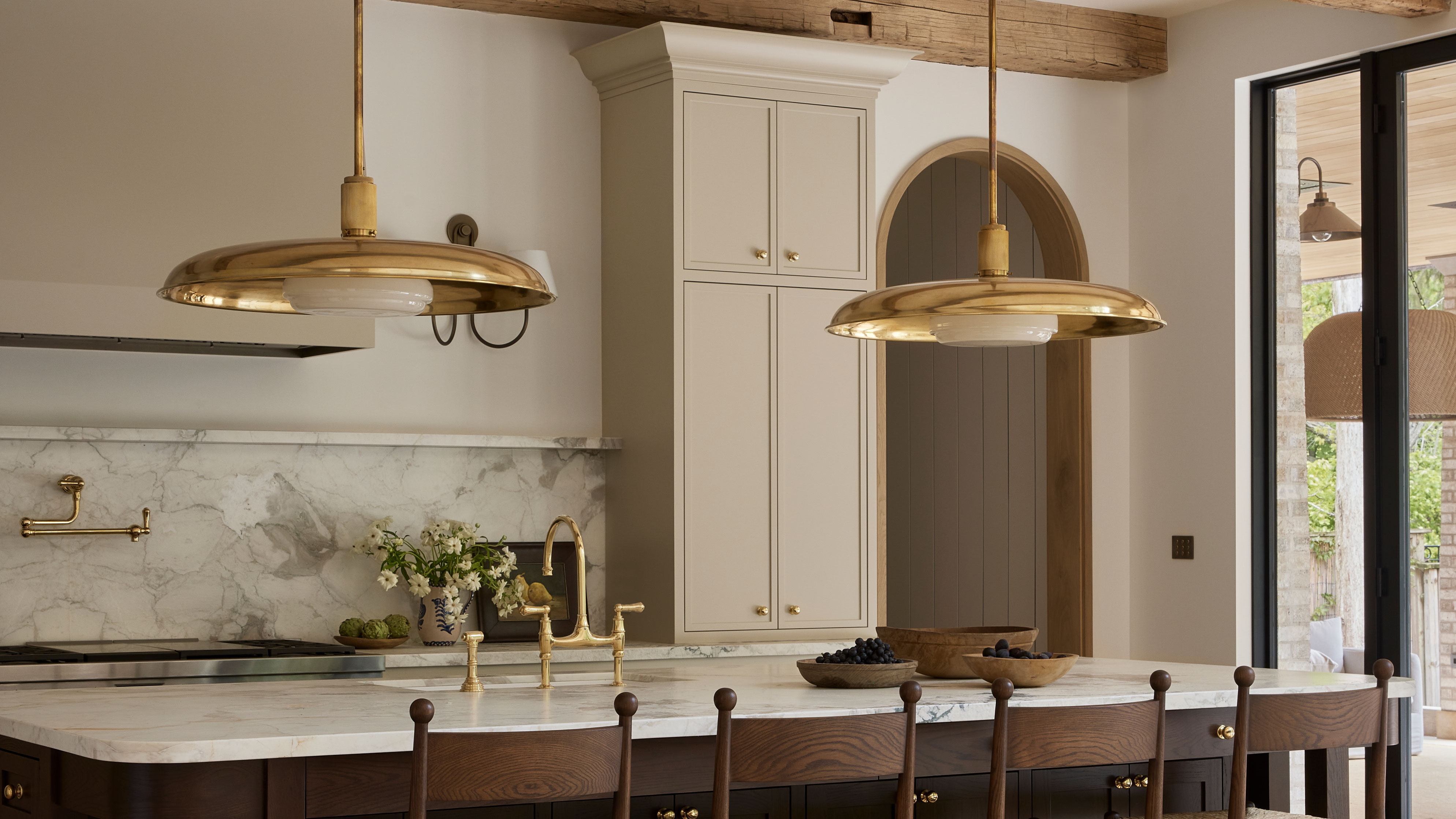
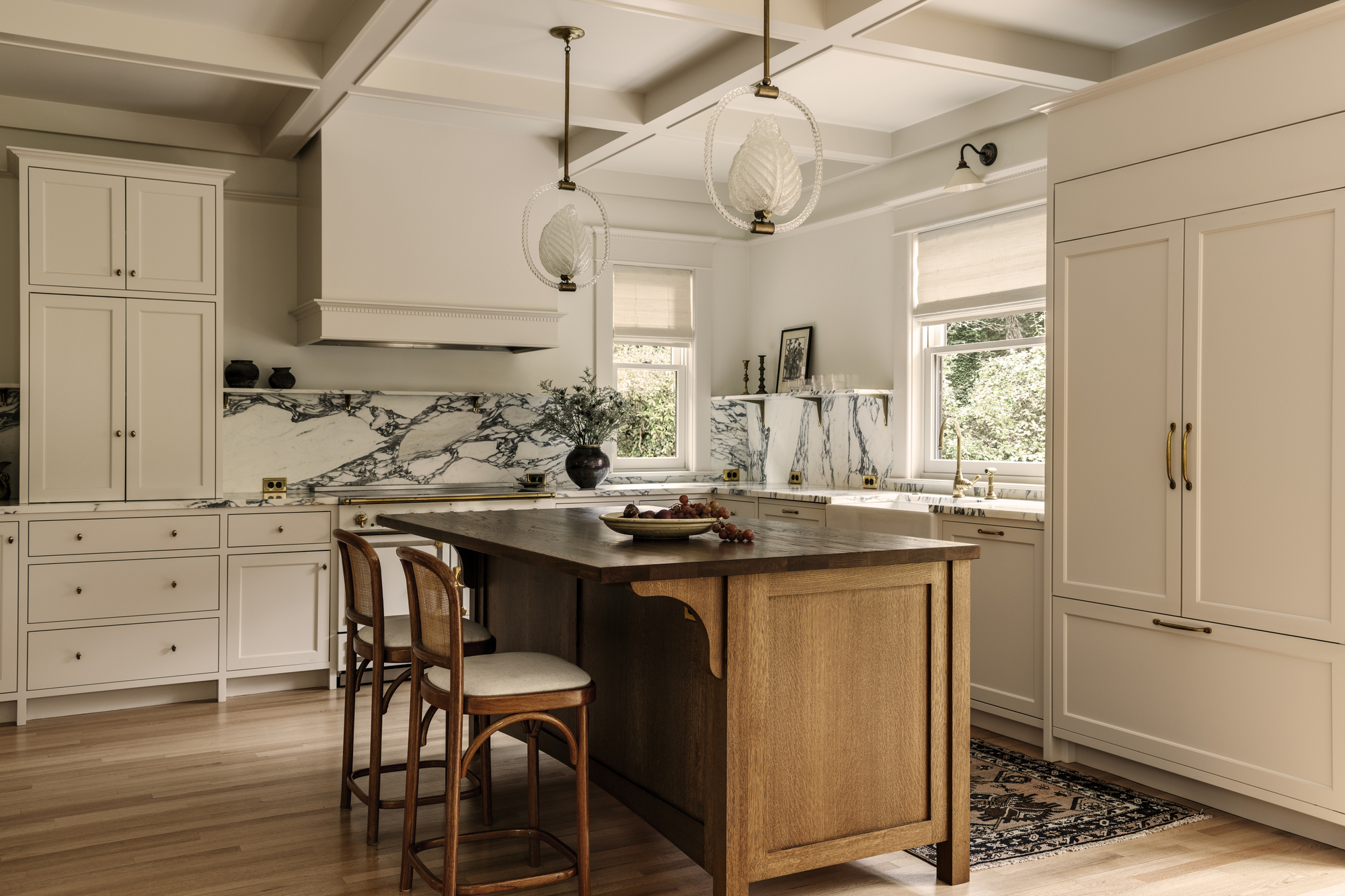
Beige introduces warmth without disrupting neutrality, with soft sandy or taupe variations creating inviting yet restrained environments. This earthy neutral in a minimal kitchen softens the starkness of cooler tones, blending seamlessly with natural wood elements for added texture.
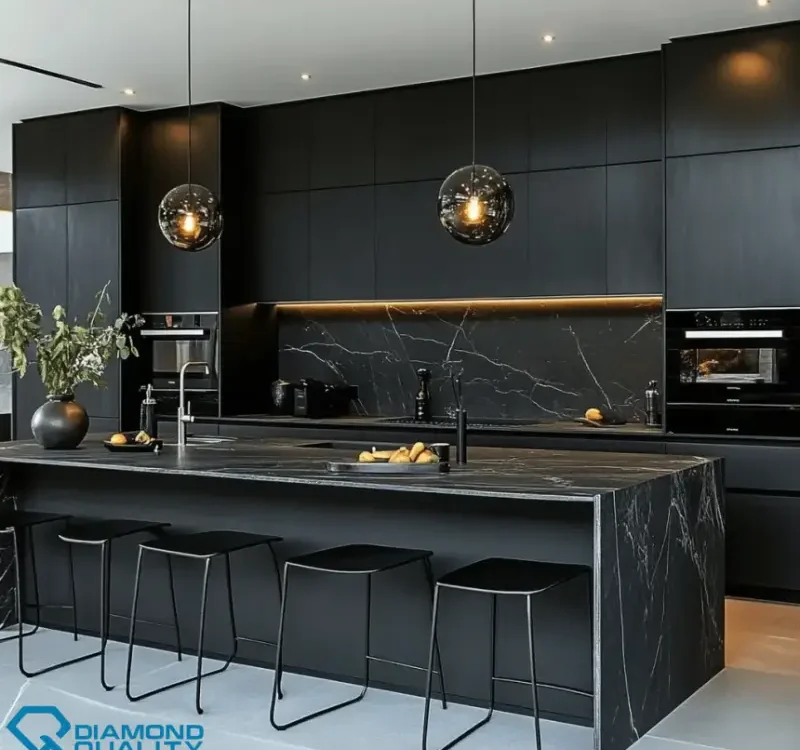
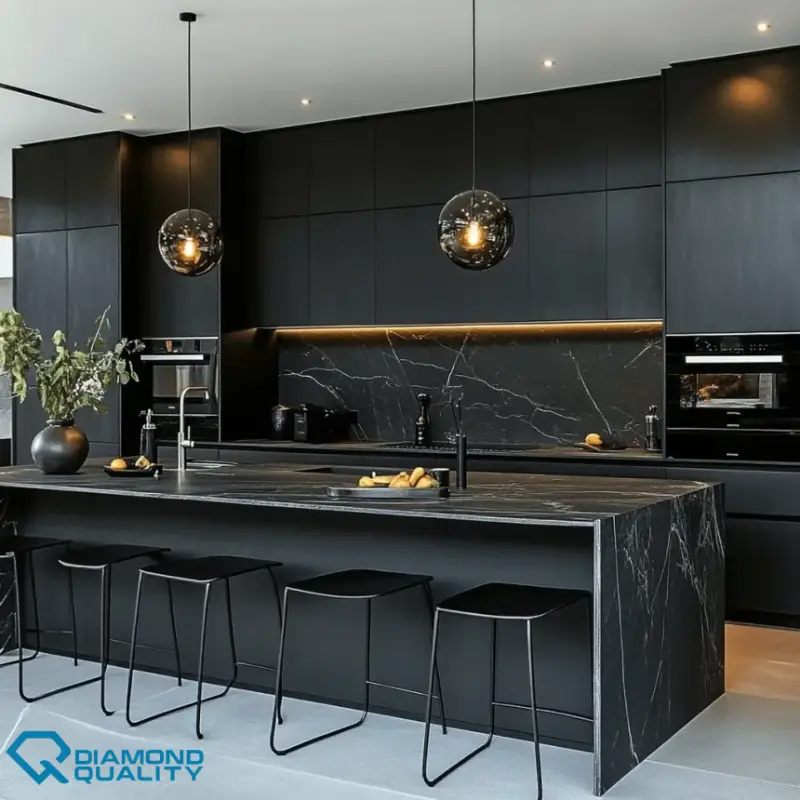
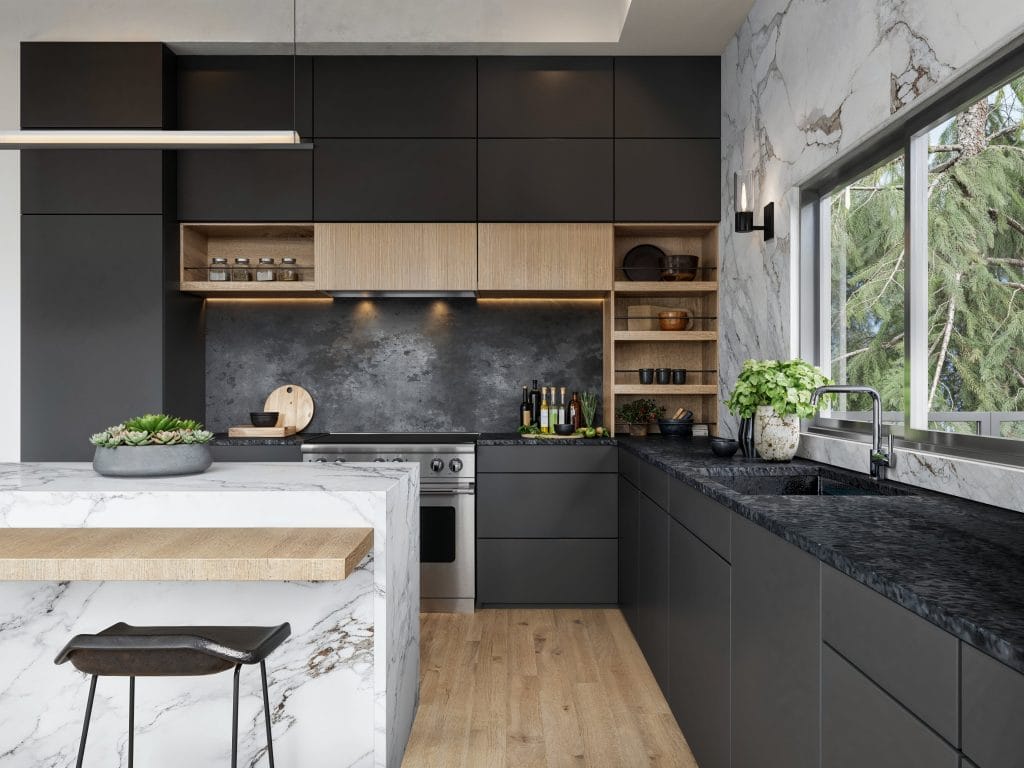
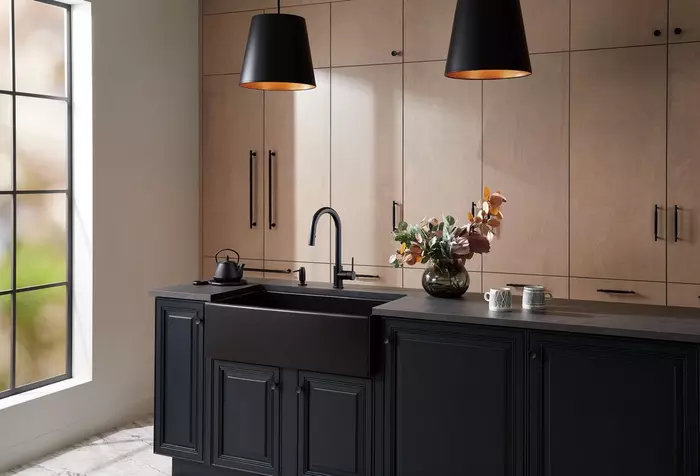
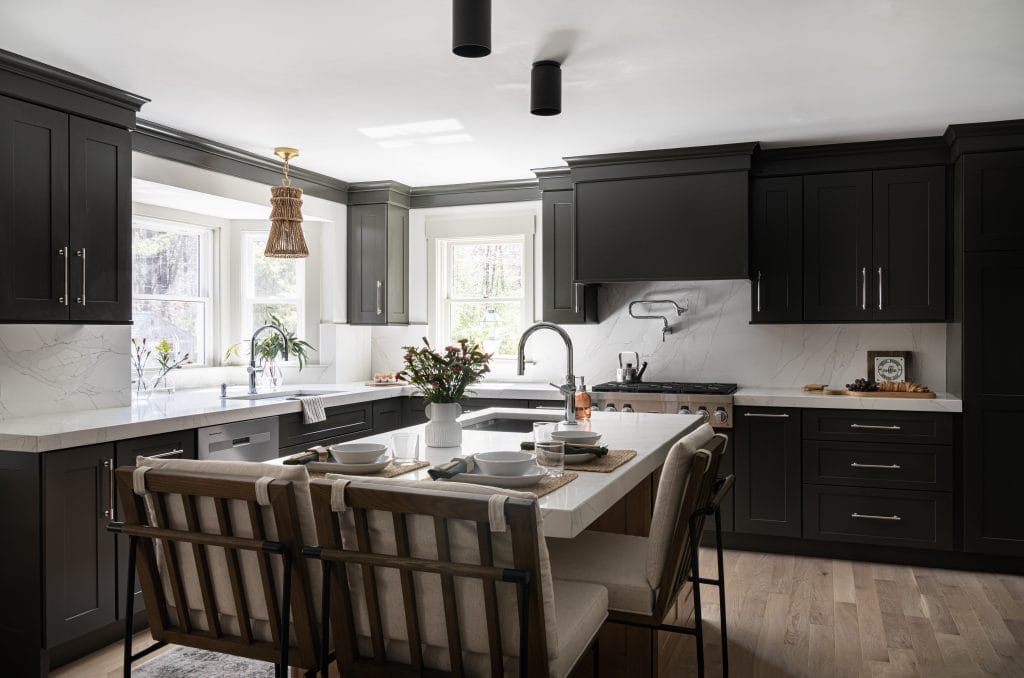
Matte black emerges as a bold yet restrained accent, often used for fixtures, handles, or islands to inject drama subtly. In minimalist kitchen design style, matte finishes prevent glare, ensuring the dark hue integrates smoothly rather than dominating, resulting in a modern, high-contrast look that’s both elegant and functional.
:max_bytes(150000):strip_icc()/modern-white-kitchens-4164395-hero-67d3da603c9146ef91bc24623442df85.jpg)
:max_bytes(150000):strip_icc()/SPR-white-kitchen-ideas-6822709-hero-19153225e7da40f29b5ada7f8010b787.jpg)
.webp)
Using a Limited Color Palette in Minimalist Kitchen Design Style
Restraint defines the use of color in minimalist kitchen design style, with designers typically limiting schemes to a maximum of two to three hues for maximum impact and cohesion. This disciplined approach prevents visual chaos, allowing the space to breathe in a modern kitchen design setting.
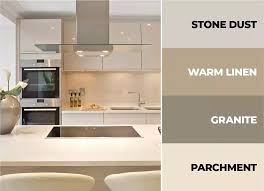
Sticking to just two or three colors—often a primary neutral base with one or two subtle accents—ensures unity and flow throughout the minimal kitchen. For example, pairing crisp white walls and cabinets with gray countertops and beige flooring creates layered interest without excess, embodying the essence of a simple kitchen style.
The influence of these limited colors on spatial perception is profound; cooler tones like whites and grays can make rooms feel more expansive and serene, while warmer beiges add coziness without clutter. In minimalist interiors, this palette choice enhances psychological comfort, reducing decision fatigue and promoting mindfulness during cooking or gathering. By avoiding vibrant or multiple competing shades, the limited selection in minimalist kitchen design style amplifies natural light and material textures, resulting in environments that feel both luxurious and effortlessly maintained over time.


The Role of Neutral Colors in Minimalist Kitchen Design Style
Neutral colors form the cornerstone of minimalist kitchen design style, serving as versatile foundations that elevate functionality and aesthetics in modern kitchen design. Their understated nature allows for endless adaptability, making them ideal for creating balanced, timeless spaces.
One primary benefit is the illusion of greater size; light neutrals like white, soft gray, or beige reflect ambient light, visually expanding boundaries and opening up even modest footprints in a minimal kitchen. This optical enlargement transforms tight areas into welcoming hubs, perfect for urban dwellings embracing simple kitchen style principles.
Additionally, neutrals significantly boost light levels, bouncing natural and artificial illumination around the room for a brighter, more energetic feel. In minimalist interiors, this enhanced luminosity highlights clean lines and premium surfaces, while reducing shadows that could disrupt the desired tranquility. By prioritizing these soothing, non-competitive tones, minimalist kitchen design style achieves spaces that not only appear larger and more luminous but also foster a sense of peace and clarity, supporting well-being in one of the home’s most frequently used areas.
:max_bytes(150000):strip_icc()/SSS_Home_Kitchen_012-5c92aafa63ca4235bbed12b8c5756138.jpg)
Mastering the color palette in minimalist kitchen design style unlocks the full potential of this beloved aesthetic, blending common neutrals like white, gray, beige, and matte black with limited selections and their inherent benefits. Through thoughtful application, these choices craft minimal kitchens that feel expansive, illuminated, and profoundly restful, reinforcing the enduring appeal of minimalist interiors and simple kitchen styles in contemporary homes. This strategic use of color not only enhances visual harmony but also elevates everyday experiences, proving that in modern kitchen design, subtle hues often yield the most striking results.
Suitable Materials for Minimalist Kitchen Design Style
Selecting the right materials is essential in minimalist kitchen design style, as they directly influence the overall aesthetic, durability, and functionality of the space. In modern kitchen design, materials are chosen for their clean appearances, subtle textures, and ability to blend seamlessly without overwhelming the senses. This approach in a minimal kitchen emphasizes high-quality, low-maintenance options that support the simple kitchen style’s ethos of restraint and elegance. By focusing on timeless surfaces and finishes, minimalist interiors achieve a sophisticated look that enhances light reflection, spatial flow, and everyday usability, making these choices pivotal for creating enduring, harmonious environments in contemporary homes.
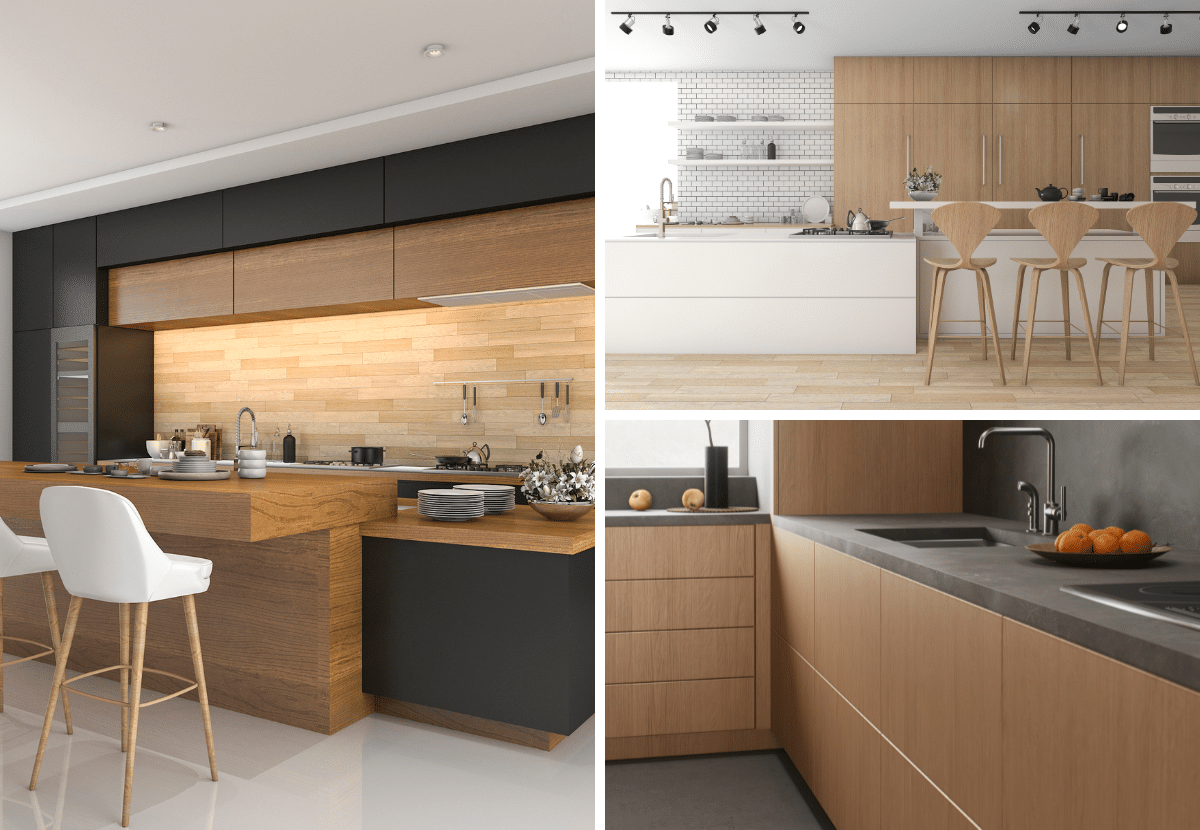
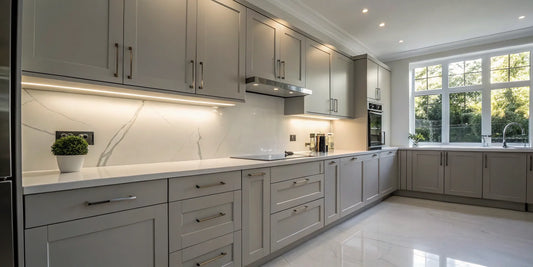
Minimal Cabinets in Minimalist Kitchen Design Style
Cabinets form the structural backbone of minimalist kitchen design style, where sleek, unadorned surfaces dominate to maintain visual purity and uncluttered lines. The emphasis on flat panels and subtle finishes ensures that storage solutions integrate effortlessly into the modern kitchen design framework.
Plain MDF (medium-density fiberboard) stands out as a versatile, budget-friendly option for a minimal kitchen, offering smooth, paintable surfaces that achieve a flawless, matte appearance. Its uniformity allows for custom colors in neutral tones, aligning perfectly with minimalist interior principles by avoiding grain patterns or ornate details that could disrupt serenity.
Matte high-gloss finishes elevate cabinets further, providing a soft sheen that reflects light gently without the glare of full gloss. These laminated or lacquered surfaces in a simple kitchen style resist fingerprints and scratches better than glossy alternatives, promoting long-term cleanliness and a contemporary edge that feels luxurious yet understated.
Handleless cabinets, often referred to as frameless or slab doors, epitomize minimalist kitchen design style through push-to-open mechanisms or integrated channels. This design eliminates visual interruptions from hardware, creating continuous, seamless facades that enhance the sense of spaciousness and flow. In minimalist interiors, such cabinets—whether in MDF or high-gloss—contribute to an ultra-clean profile, facilitating easy maintenance and reinforcing the modern kitchen design’s focus on intentional simplicity and ergonomic efficiency.

Countertops in Minimalist Kitchen Design Style
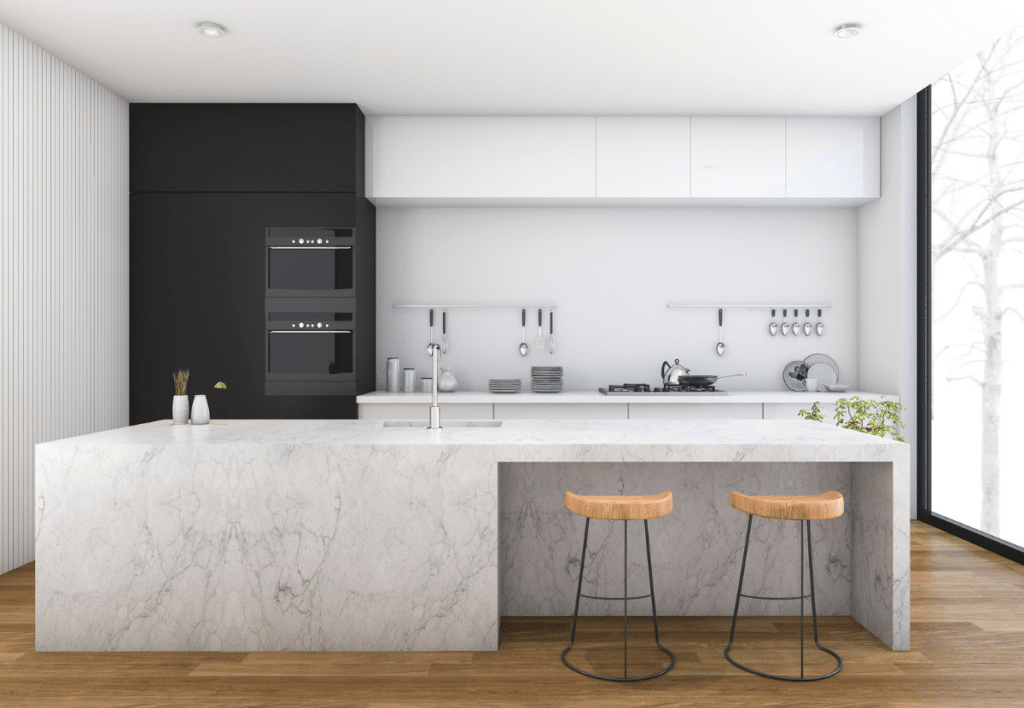
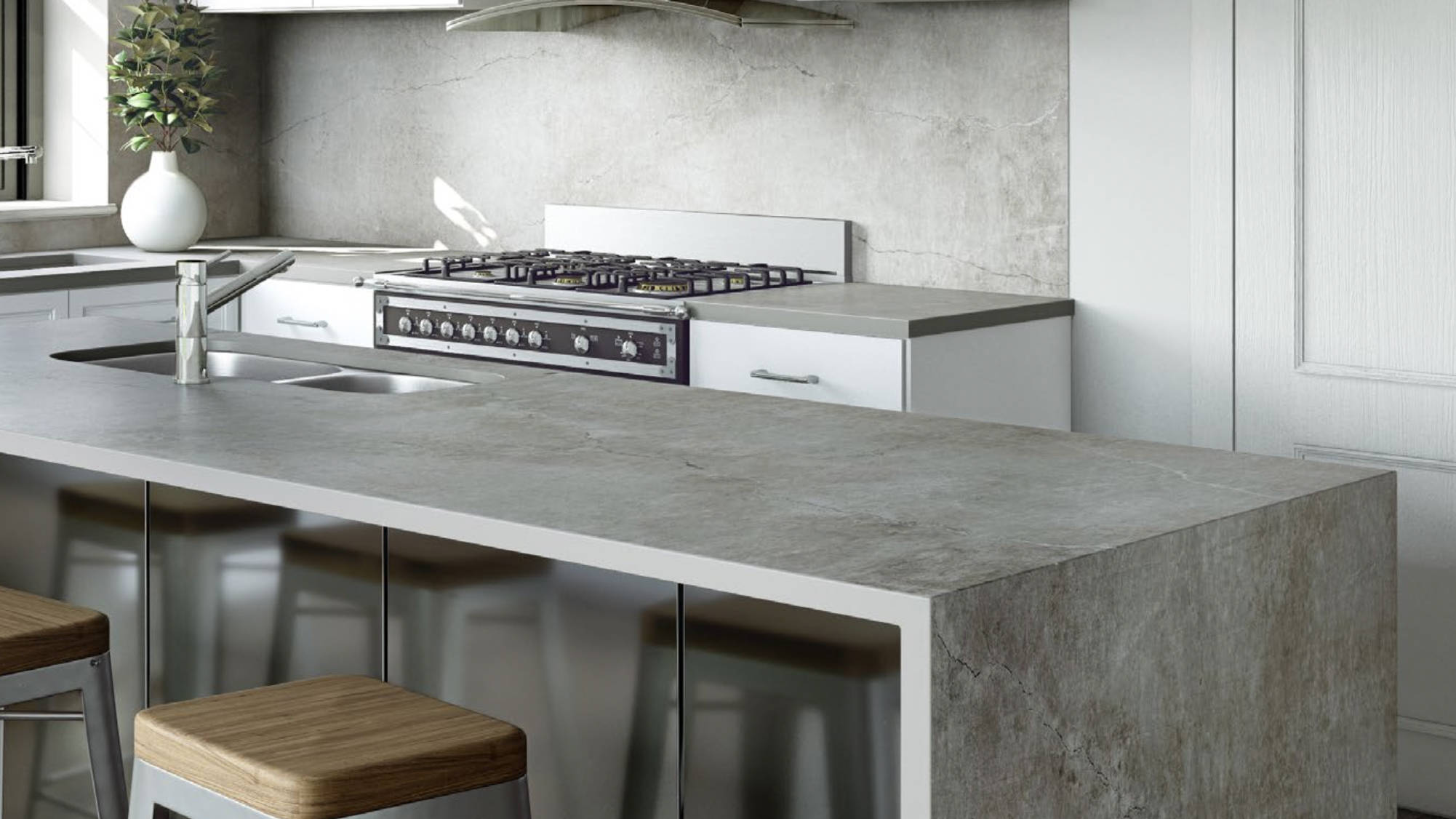
Countertops serve as focal work surfaces in minimalist kitchen design style, demanding materials that combine resilience with understated beauty to support seamless integration in modern kitchen design.
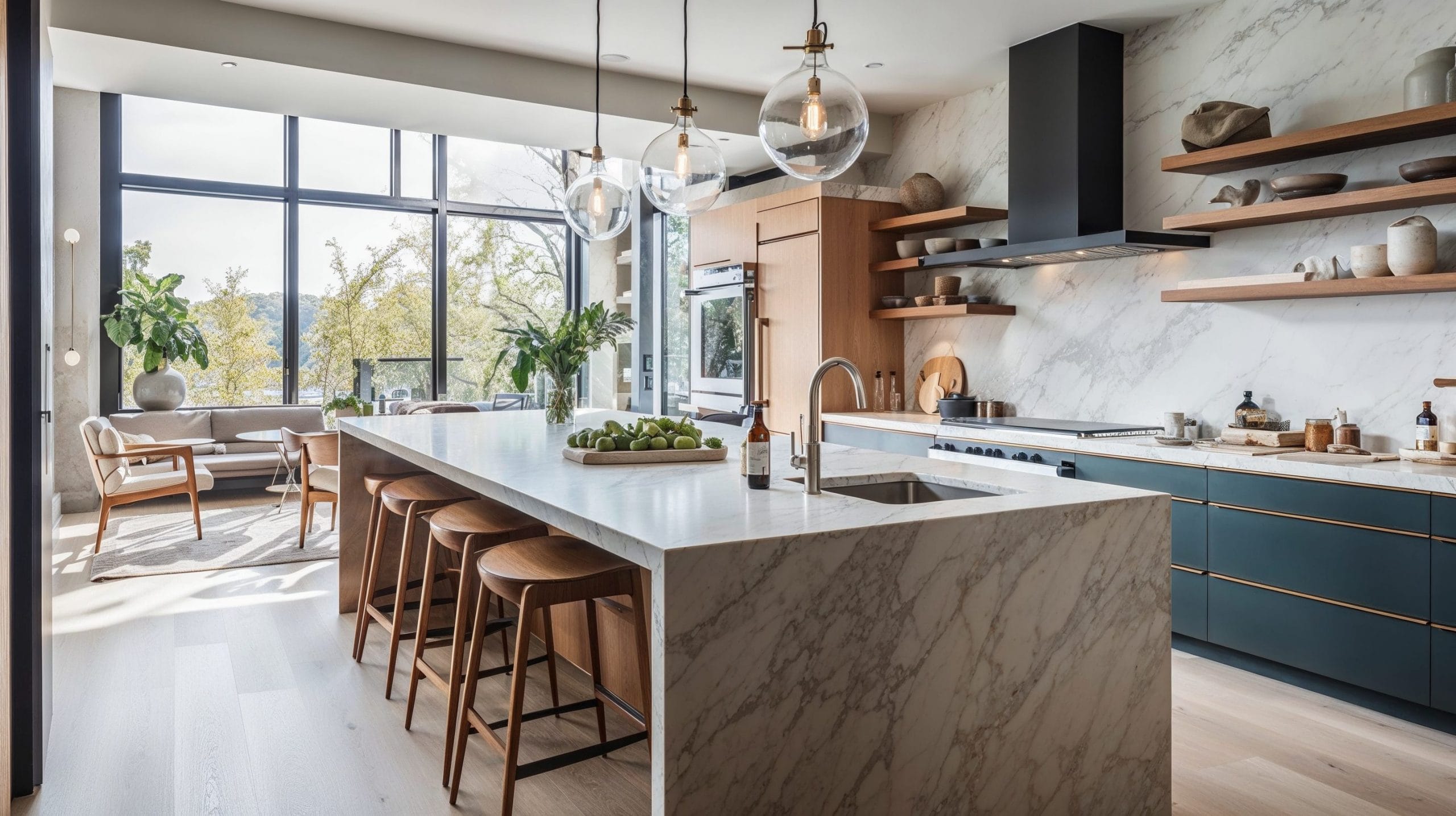
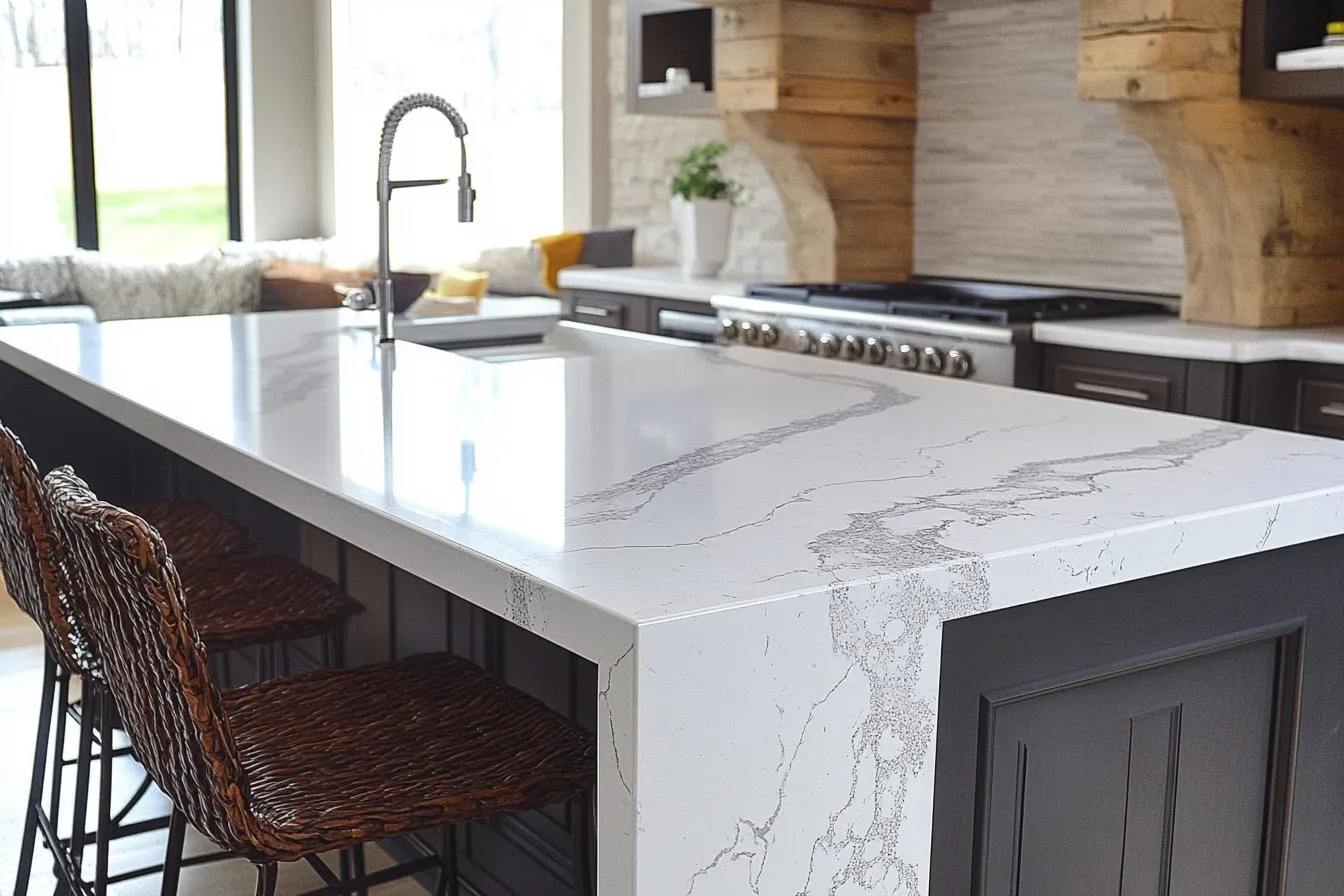
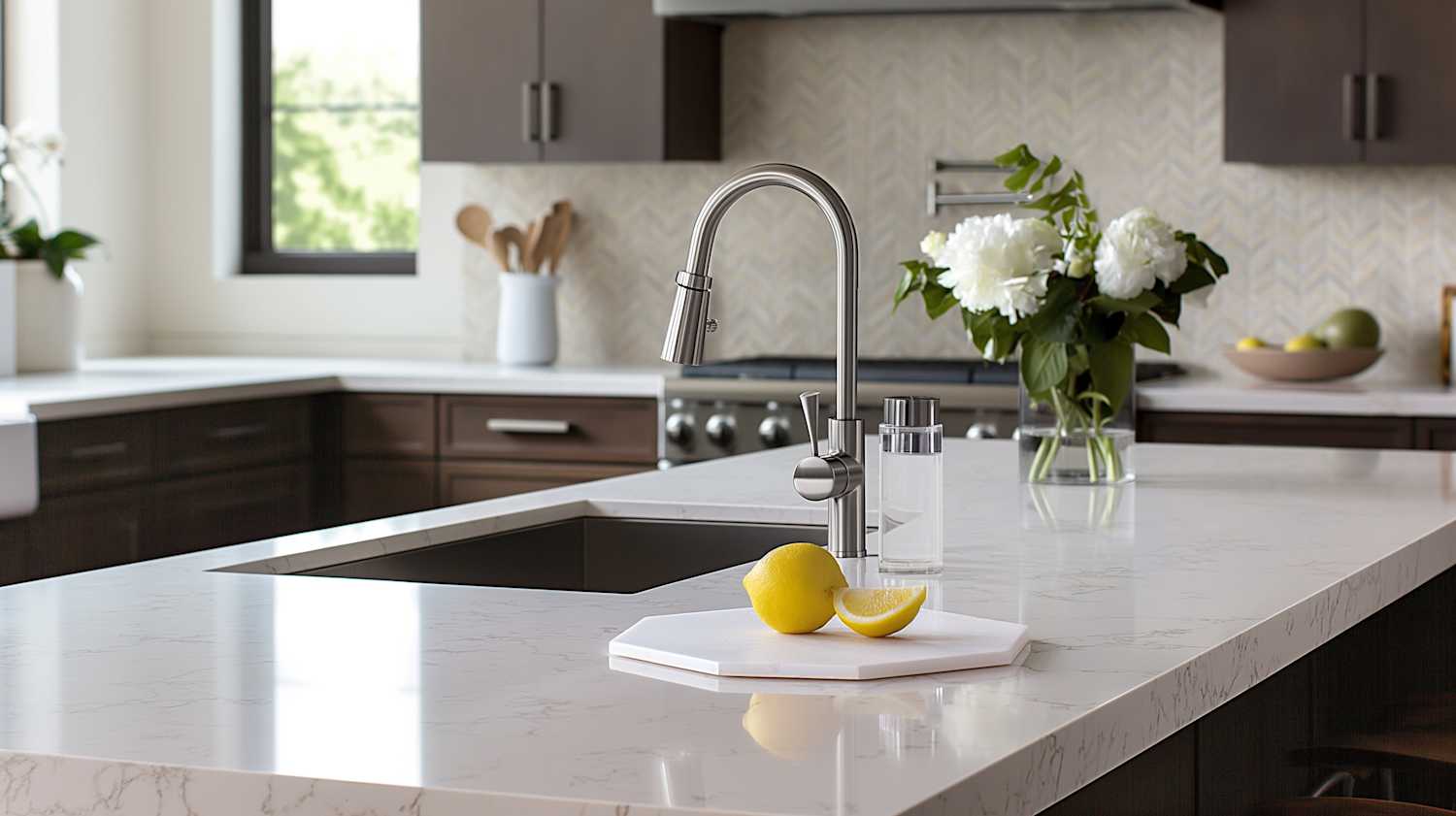
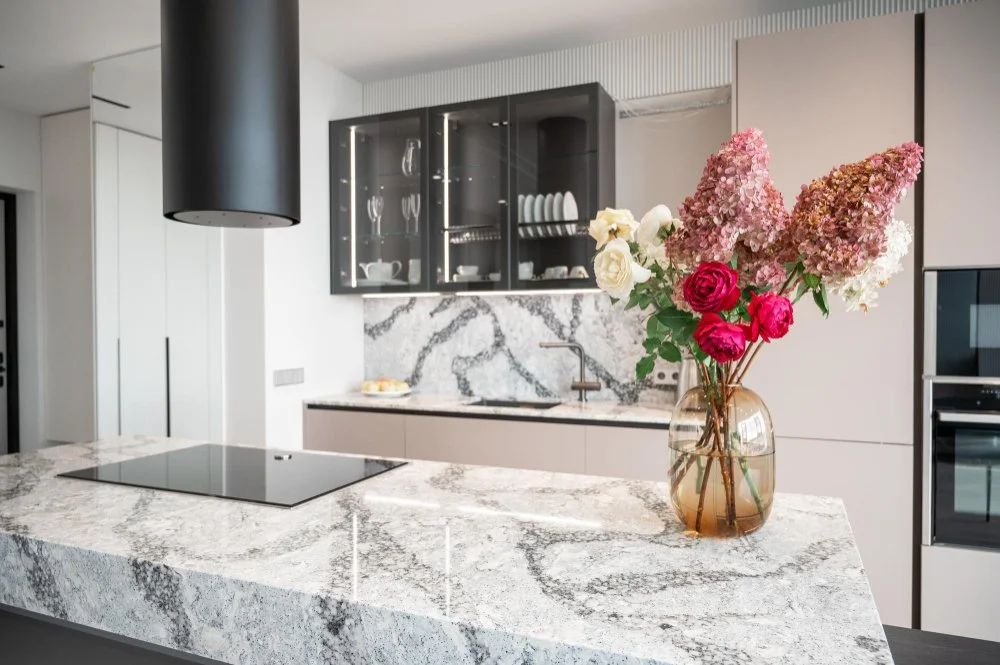
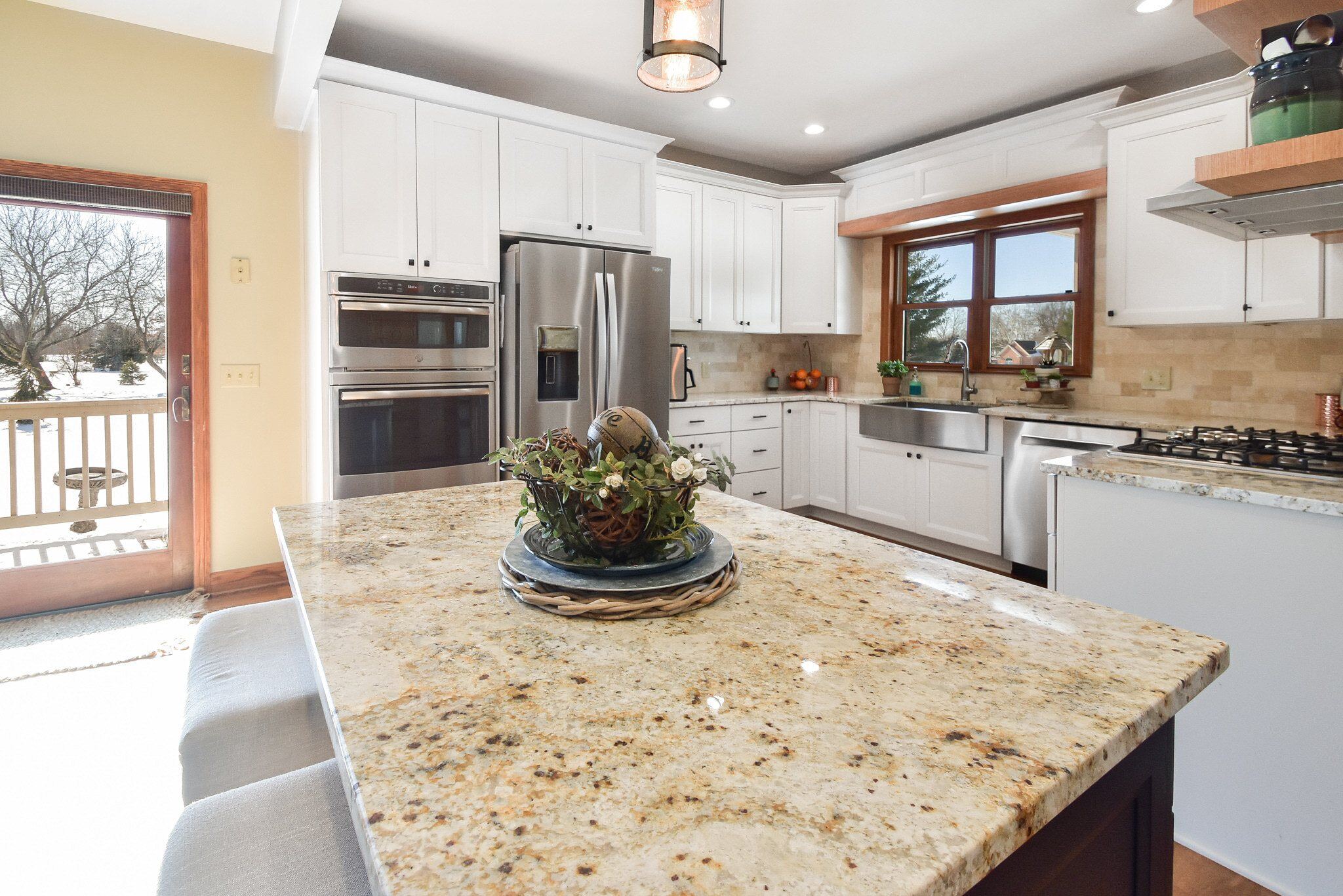
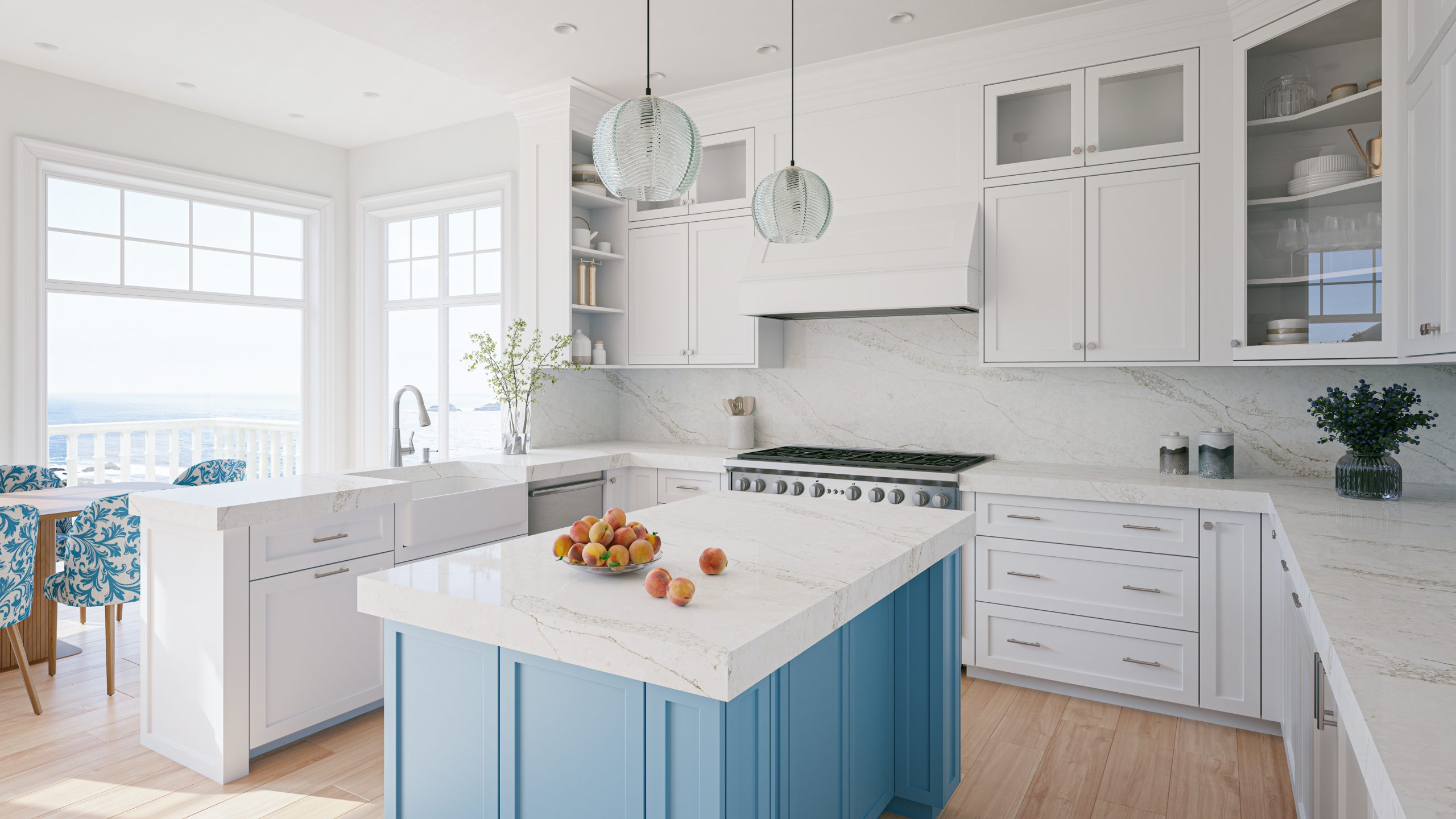
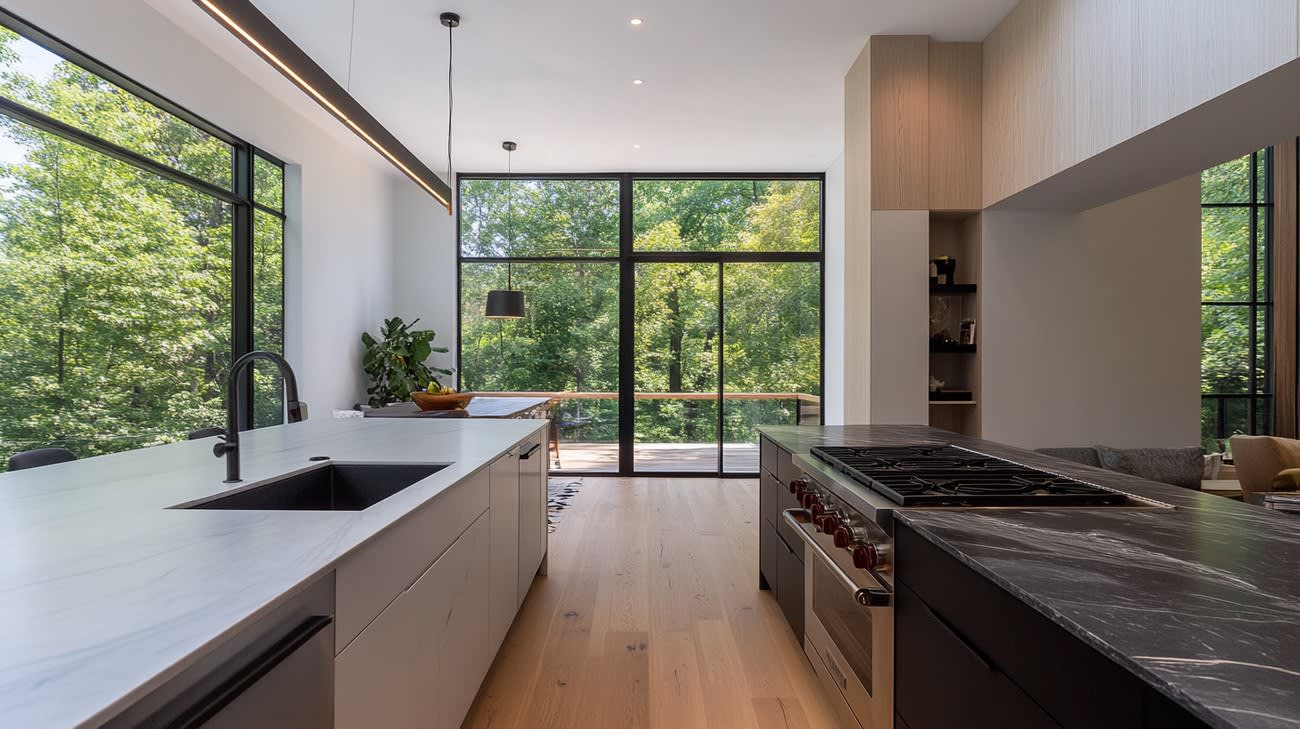
Quartz emerges as a top choice for a minimal kitchen due to its engineered consistency, offering non-porous, stain-resistant properties in uniform colors and subtle veining. This man-made stone mimics natural elegance without maintenance demands, providing expansive, uninterrupted slabs that enhance the simple kitchen style’s clean horizons.
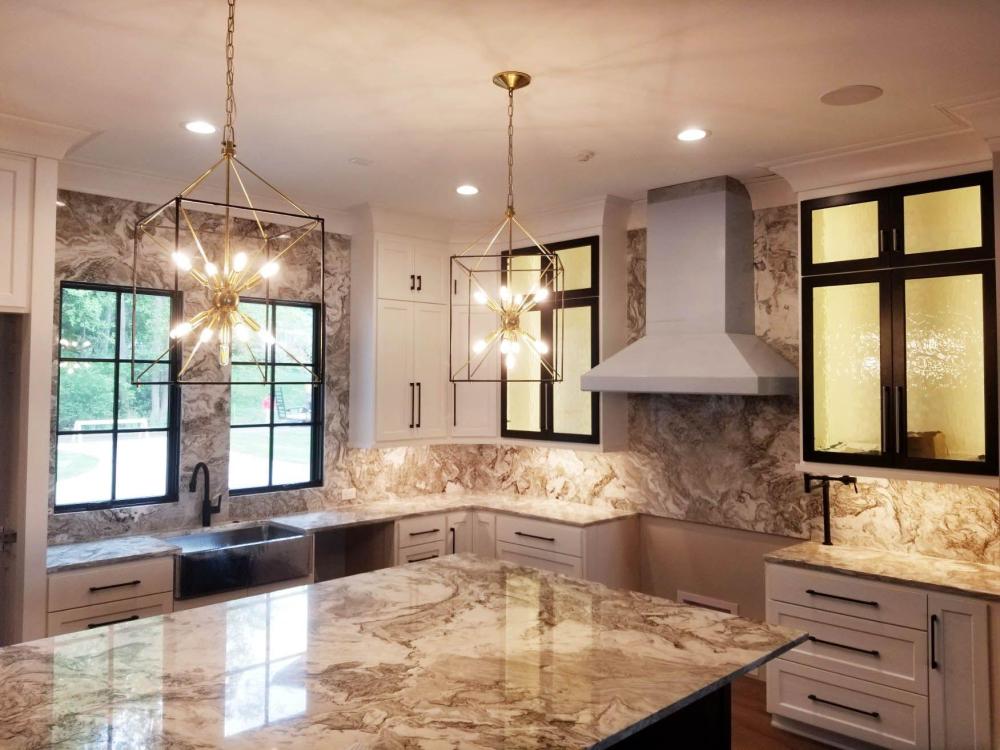
Simple natural stone, such as honed marble or granite with minimal patterns, introduces organic warmth and authenticity. These surfaces in minimalist interiors develop a gentle patina over time, adding character while preserving neutrality—ideal for those seeking durable, timeless options that align with eco-conscious modern kitchen design trends.
Exposed concrete brings an industrial yet refined touch, with polished or sealed finishes that deliver a raw, monochromatic texture. In a minimal kitchen, concrete countertops offer exceptional strength and heat resistance, their subtle imperfections contributing to a honest, unpretentious aesthetic that perfectly complements minimalist kitchen design style’s emphasis on materiality and restraint.

Flooring and Wall Materials in Minimalist Kitchen Design Style
Flooring and walls provide the foundational canvas in minimalist kitchen design style, where expansive, low-contrast materials unify the space and amplify openness in modern kitchen design.
Simple ceramic tiles excel with their vast format options and matte or satin finishes, offering waterproof durability and easy upkeep in high-traffic areas. Large-scale porcelain slabs in neutral hues create grout-minimized surfaces that visually enlarge a minimal kitchen, embodying the seamless flow central to simple kitchen style.
Concrete flooring, often polished or micro-topped, delivers a monolithic, industrial-chic base with inherent thermal mass for temperature regulation. Its customizable tones and subtle aggregates add quiet interest without pattern overload, making it a staple in minimalist interiors for grounded, contemporary appeal.
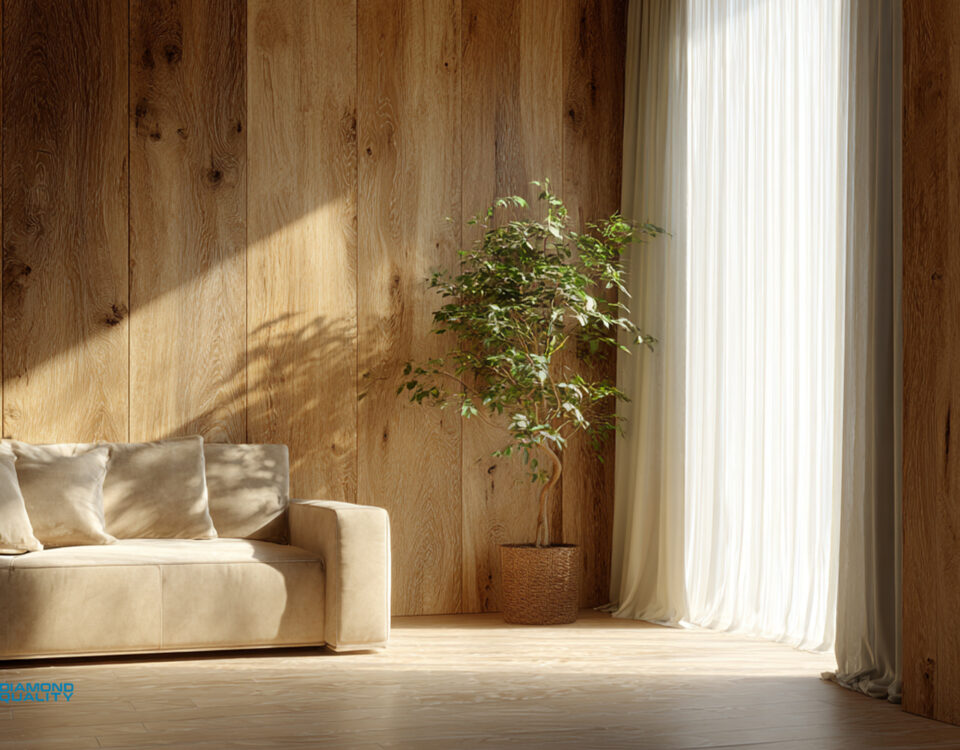
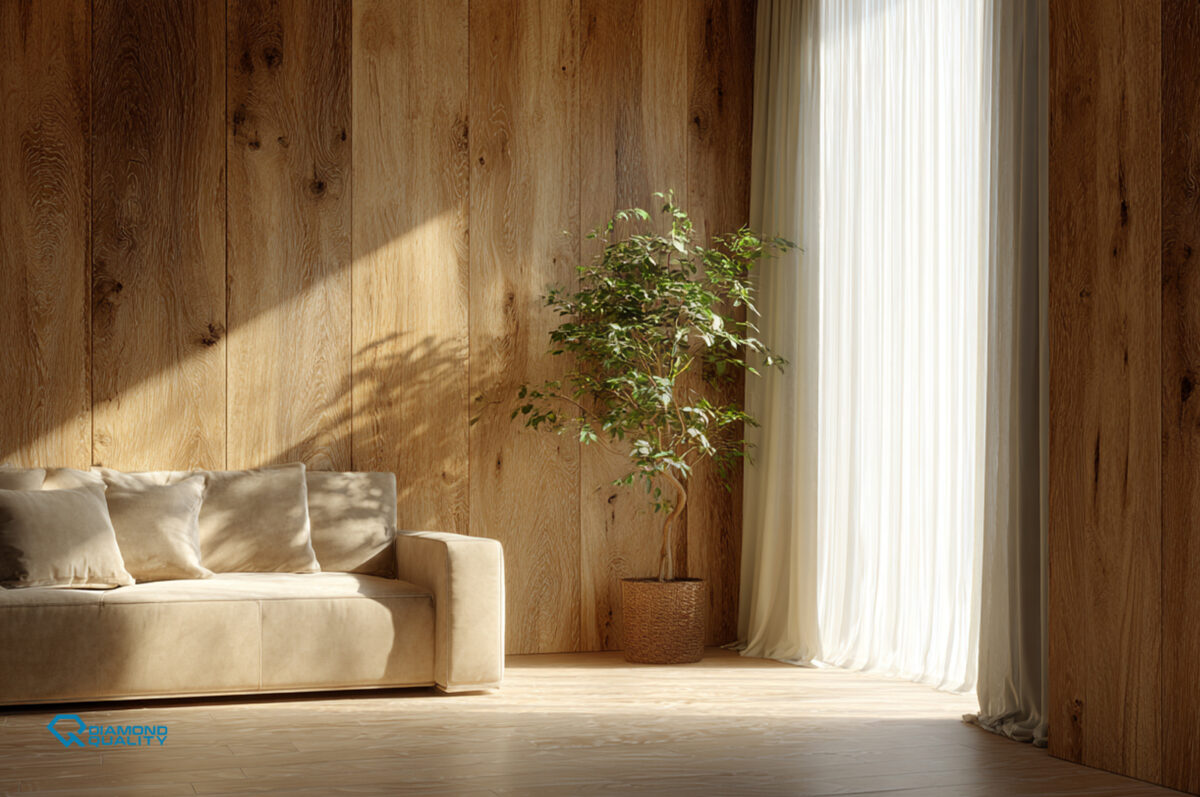
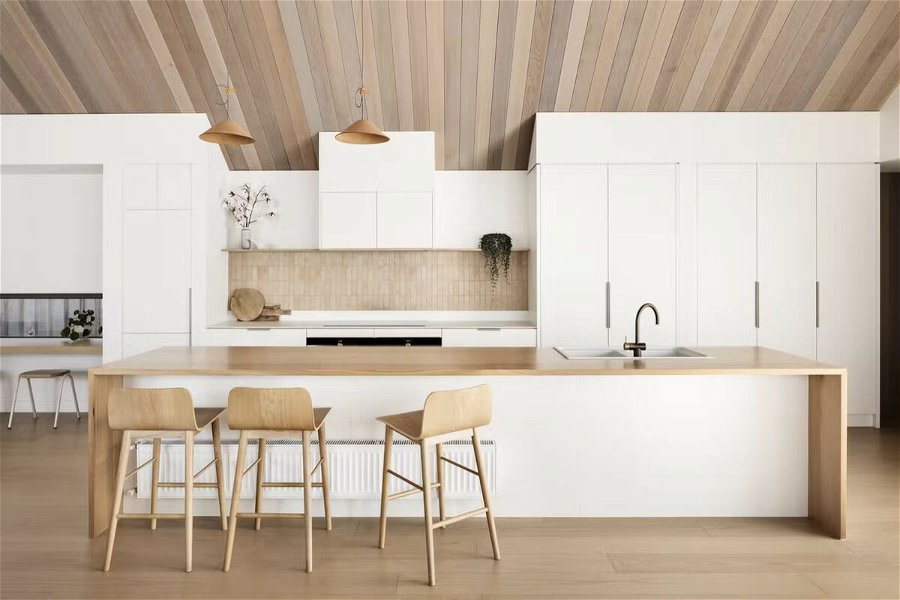
Light wood with gentle grain brings subtle warmth and natural texture, typically in wide-plank engineered formats for stability. Pale oak or ash varieties in a minimal kitchen soften harder elements, promoting a Scandinavian-inspired serenity while ensuring practicality through protective seals. These materials for floors and walls in minimalist kitchen design style not only endure daily wear but also enhance acoustic comfort and light diffusion, fostering tranquil, inviting atmospheres.
:max_bytes(150000):strip_icc()/FantasticFrank-13d5f2c9347f4dc493f475261c1310a5.jpeg)
:max_bytes(150000):strip_icc()/CathieHong_Emory_019-aa6c3664f3cc41c9bbe74aa55a709e91.JPG)
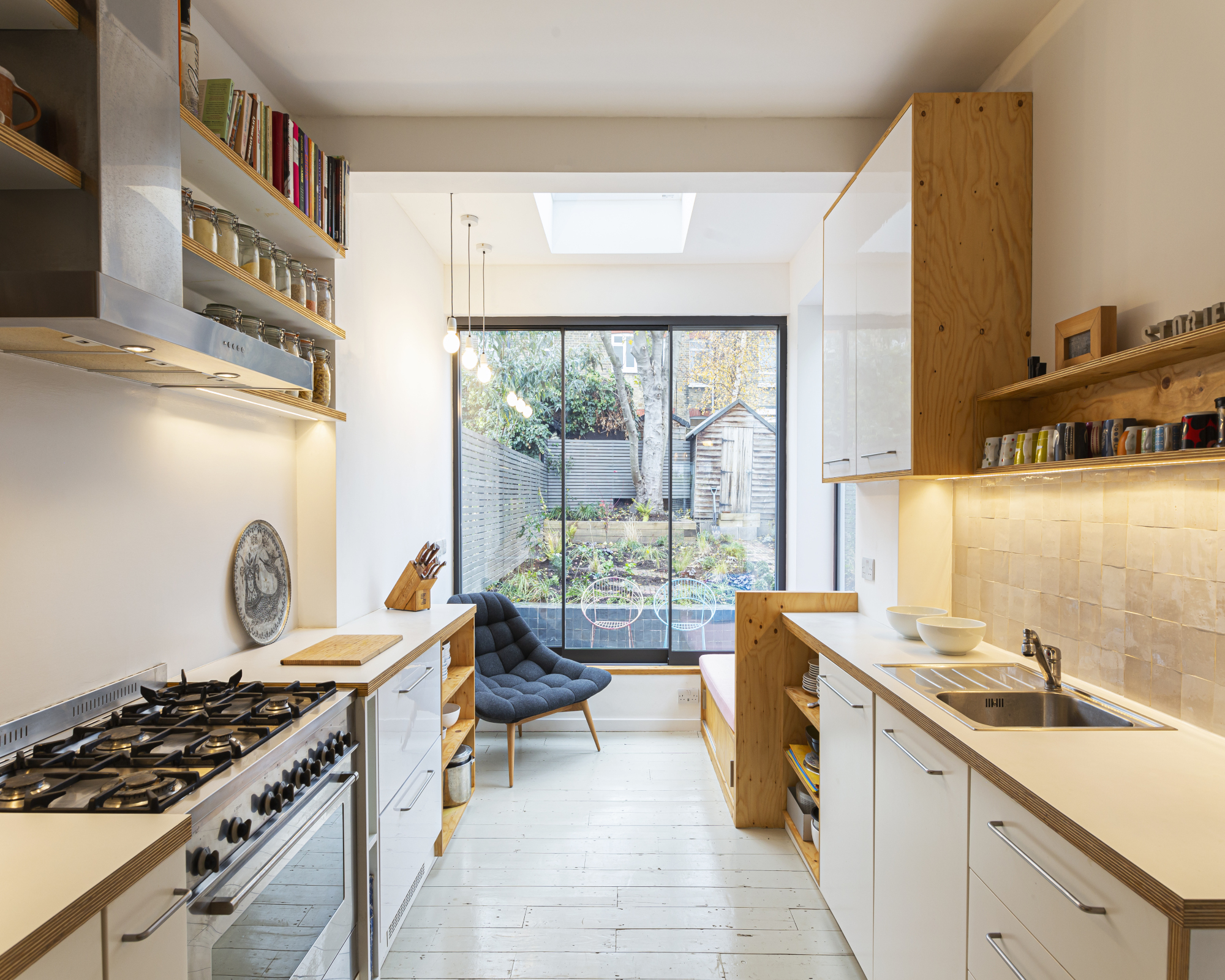
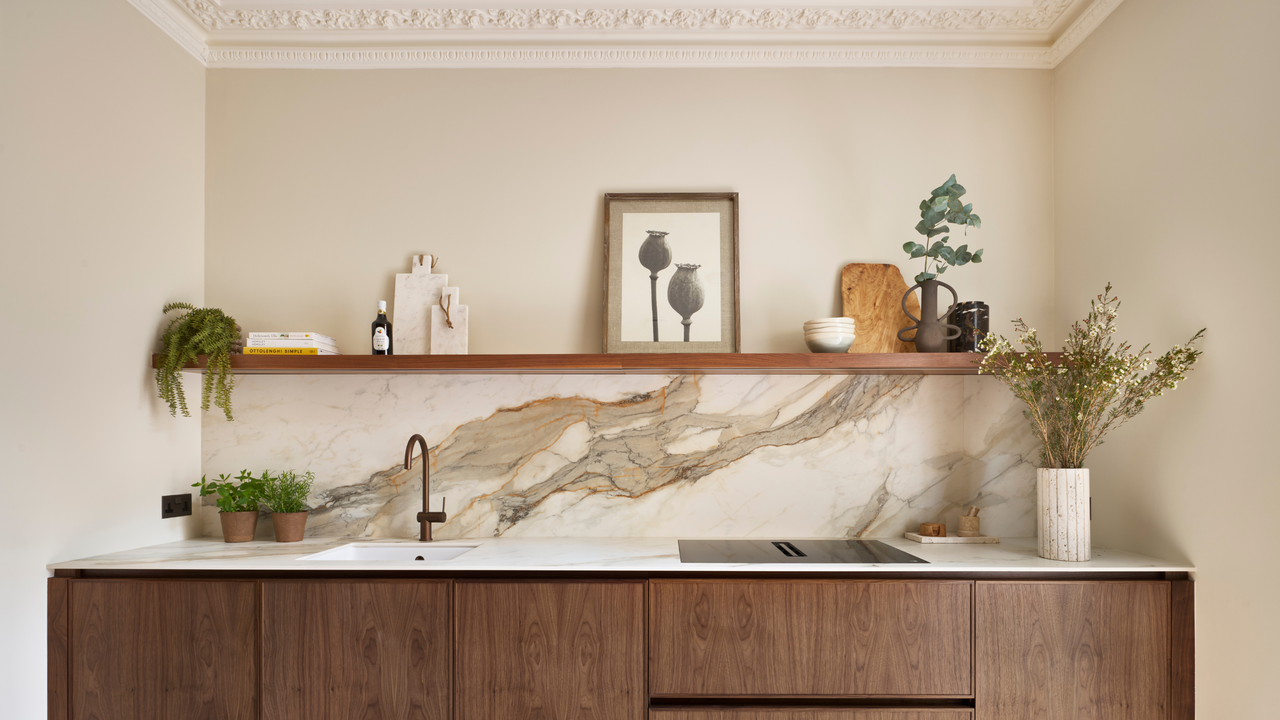

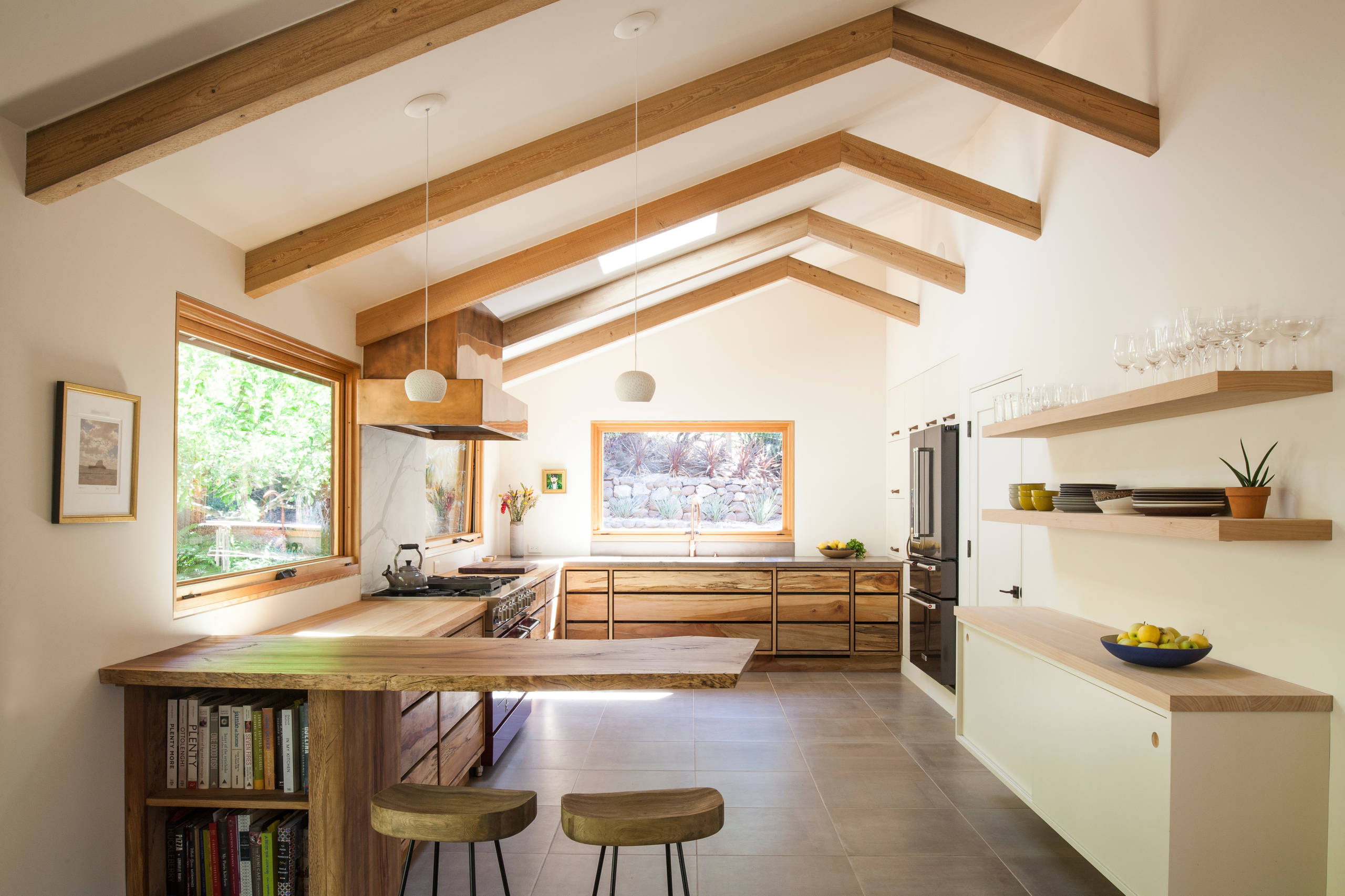
Exploring suitable materials for minimalist kitchen design style underscores the synergy between form, function, and finesse in crafting exceptional spaces. From sleek minimal cabinets in plain MDF, matte high-gloss, and handleless designs to durable countertops like quartz, simple natural stone, and exposed concrete, alongside unifying flooring and walls in simple ceramic, concrete, and light wood—these selections define the essence of modern kitchen design. Embracing such thoughtful materials yields minimal kitchens that are not only visually captivating but also practically superior, embodying the profound beauty of minimalist interiors and enduring simple kitchen styles for years to come.
Lighting in Minimalist Kitchen Design Style
Lighting serves as a transformative element in minimalist kitchen design style, subtly enhancing the clean lines, open spaces, and serene atmosphere that define this modern approach. In contemporary modern kitchen design, illumination is not merely functional but an integral part of the minimalist interior, creating layers of light that amplify spaciousness and highlight essential features without introducing clutter. A thoughtful lighting strategy in a minimal kitchen balances natural and artificial sources to foster an environment of calm efficiency, where every glow contributes to the simple kitchen style’s emphasis on purity and intention. This careful orchestration ensures that the space feels inviting throughout the day and night, supporting both practical tasks and relaxed moments in one of the home’s most central areas.
Natural Lighting in Minimalist Kitchen Design Style
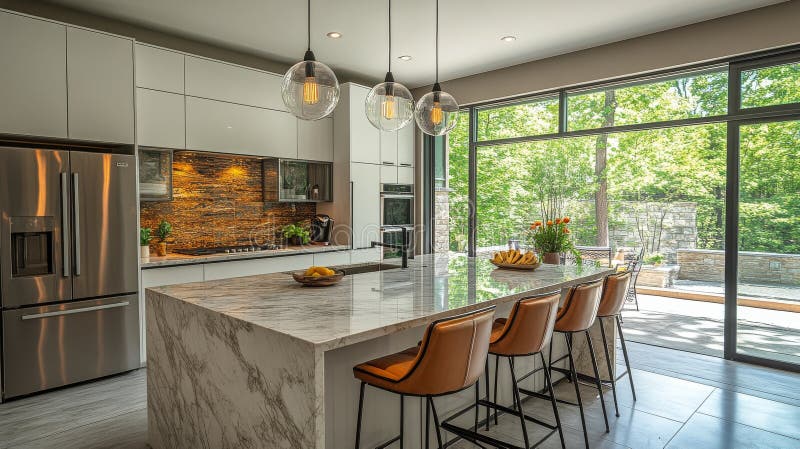
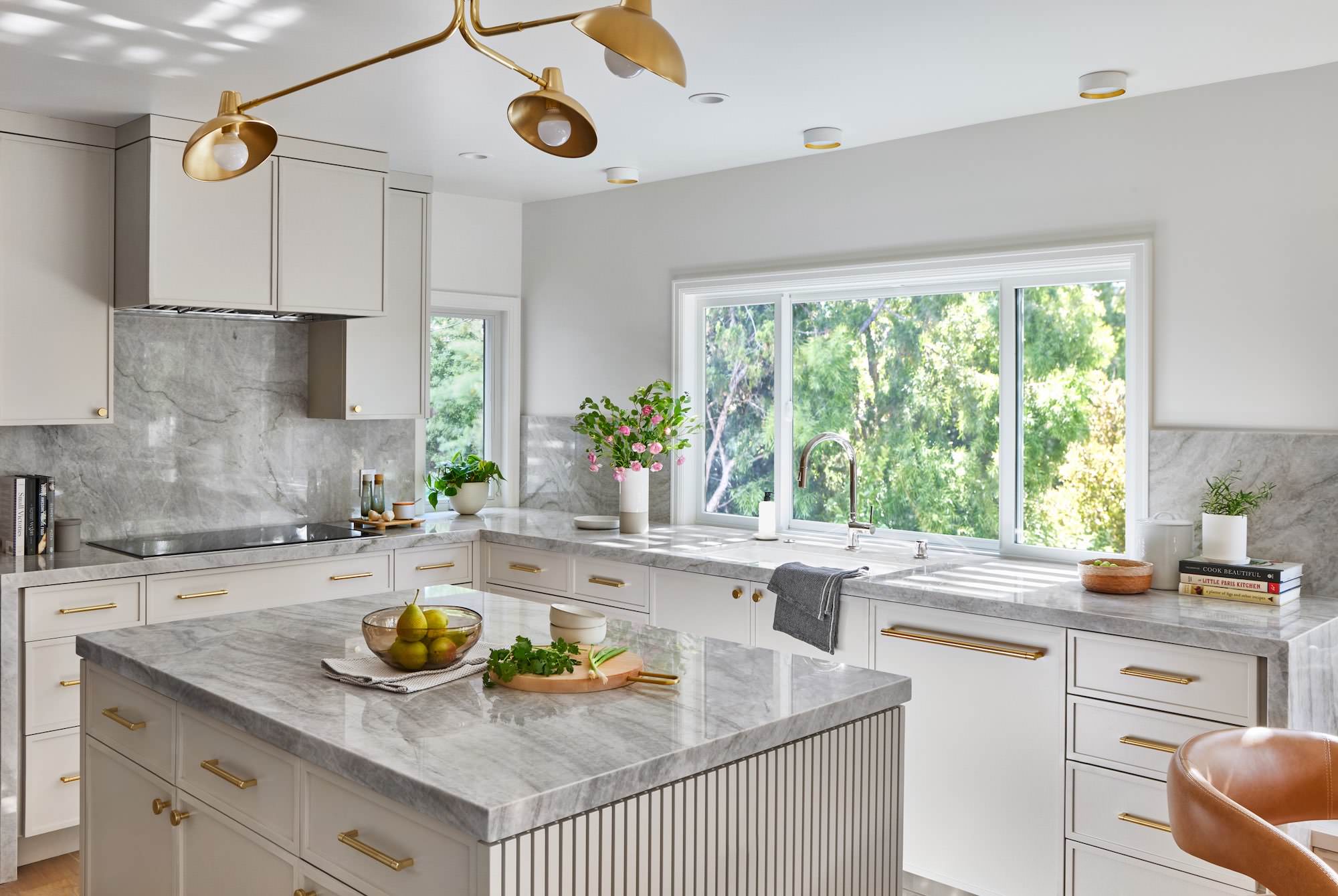
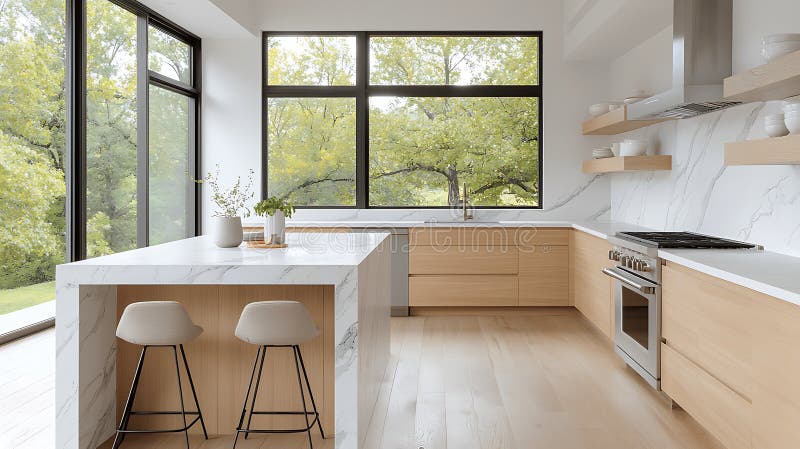
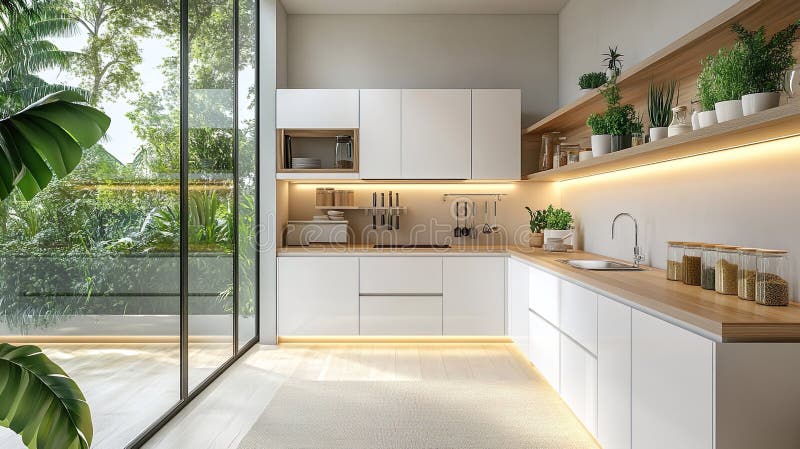
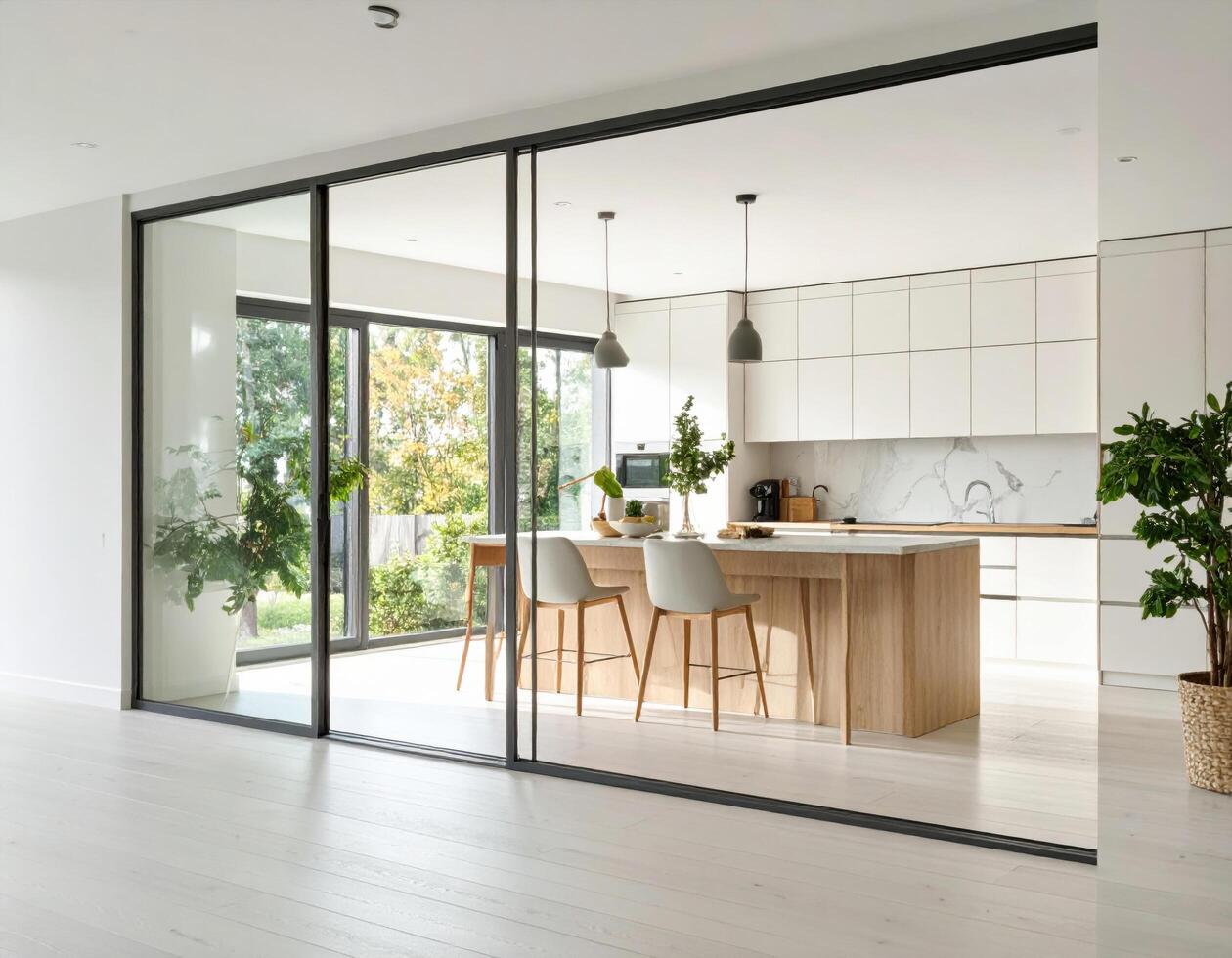
Prioritizing natural lighting forms the foundation of minimalist kitchen design style, allowing sunlight to flood the space and accentuate its inherent simplicity and openness. This reliance on daylight aligns perfectly with minimalist interior principles, reducing the need for artificial sources while promoting energy efficiency and a connection to the outdoors.
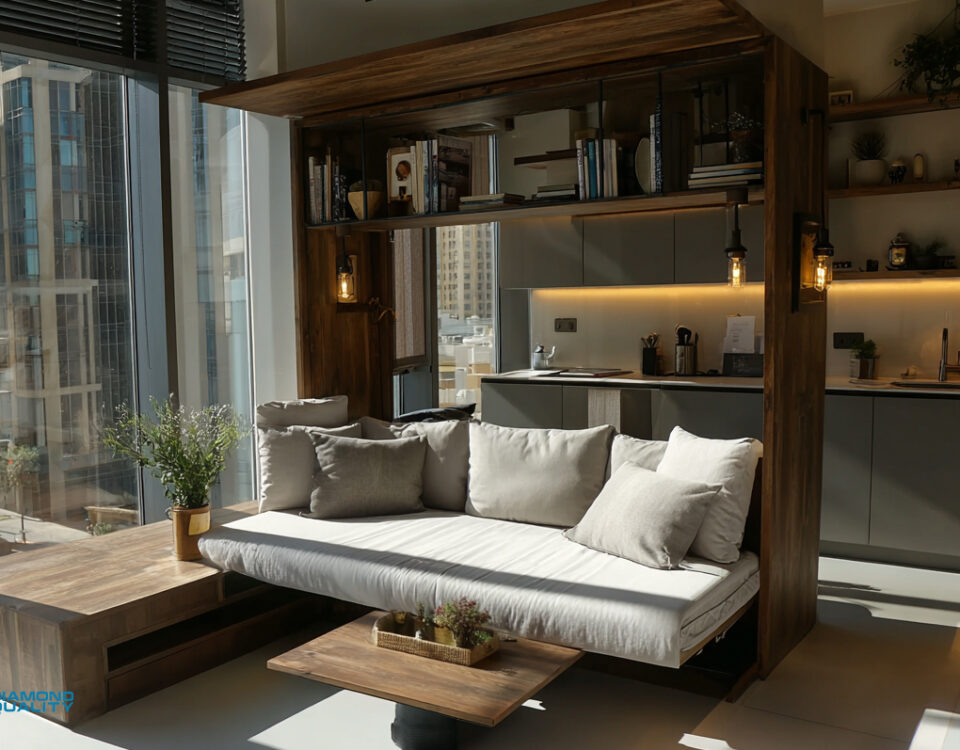
The importance of large windows cannot be overstated in a minimal kitchen, as expansive glass panels or floor-to-ceiling openings invite abundant natural light, making the room appear larger and more airy. These generous apertures in modern kitchen design not only illuminate surfaces evenly but also frame views that extend the visual boundaries, enhancing the sense of tranquility central to simple kitchen style.
Eliminating heavy curtains further maximizes this benefit, opting instead for sheer fabrics, blinds that recess neatly, or no coverings at all to maintain uninterrupted light flow. This unobstructed approach prevents shadows and visual barriers, preserving the clean, uncluttered aesthetic of minimalist kitchen design style. By embracing ample daylight through strategic window placement and minimal treatments, natural lighting elevates the minimal kitchen into a bright, revitalizing hub that feels expansive and harmoniously linked to its surroundings, ideal for daily routines in contemporary homes.
:max_bytes(150000):strip_icc()/p-2-91c27eb2d7e64408b009e49f784398c4.jpeg)
Artificial Lighting in Minimalist Kitchen Design Style
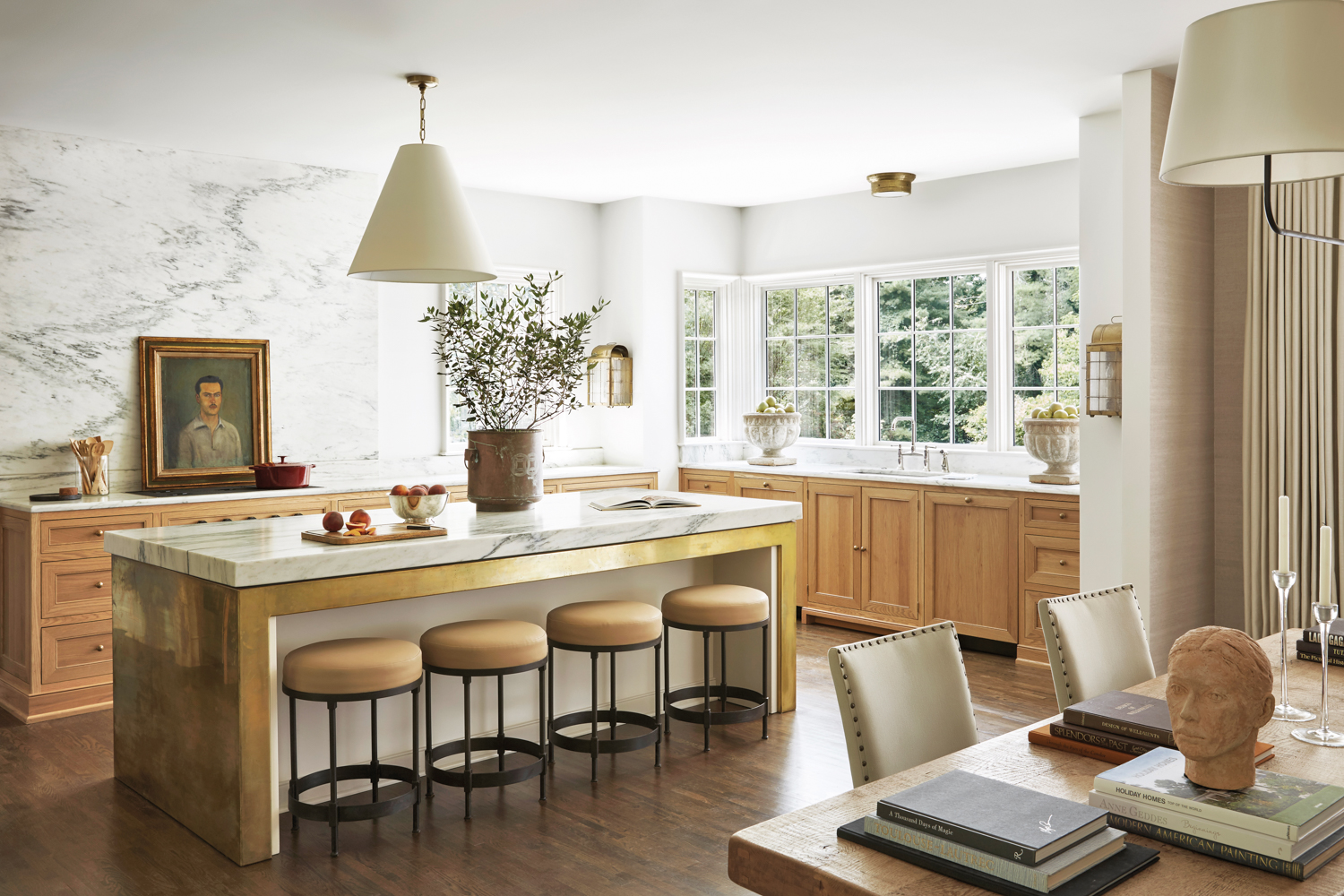
When natural light fades, artificial lighting in minimalist kitchen design style steps in seamlessly, providing subtle, layered illumination that maintains the space’s understated elegance without overpowering its clean aesthetic. This modern kitchen design approach favors discreet, integrated fixtures that blend into the architecture, ensuring functionality while upholding the principles of restraint and harmony in minimalist interiors.
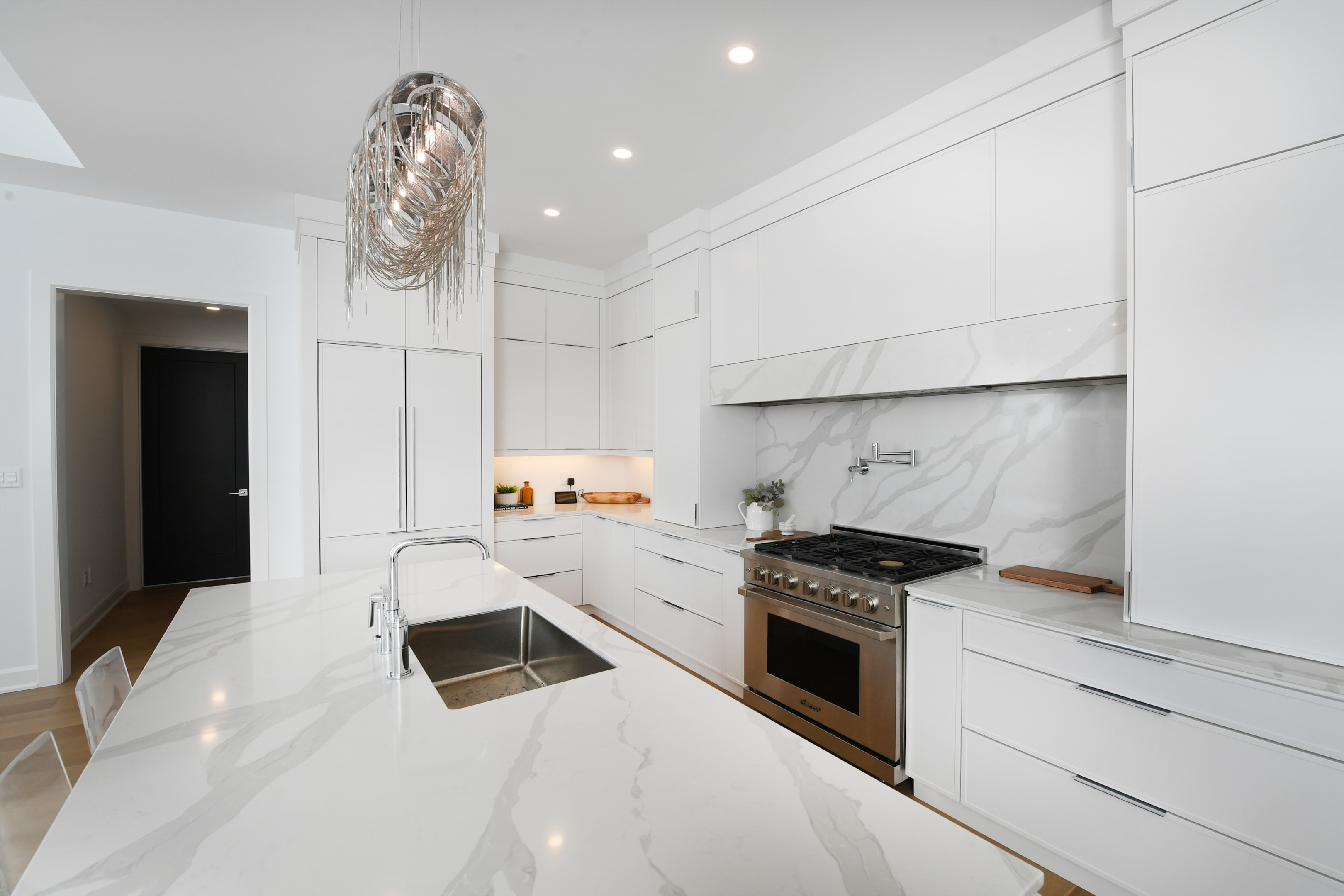
Hidden lighting, such as recessed strips under cabinets or within shelves, offers targeted task illumination that eliminates harsh shadows on work surfaces. In a minimal kitchen, these concealed LED sources create a soft, diffused glow that highlights countertops and enhances usability during food preparation, all while remaining invisible to preserve the simple kitchen style’s seamless visuals.
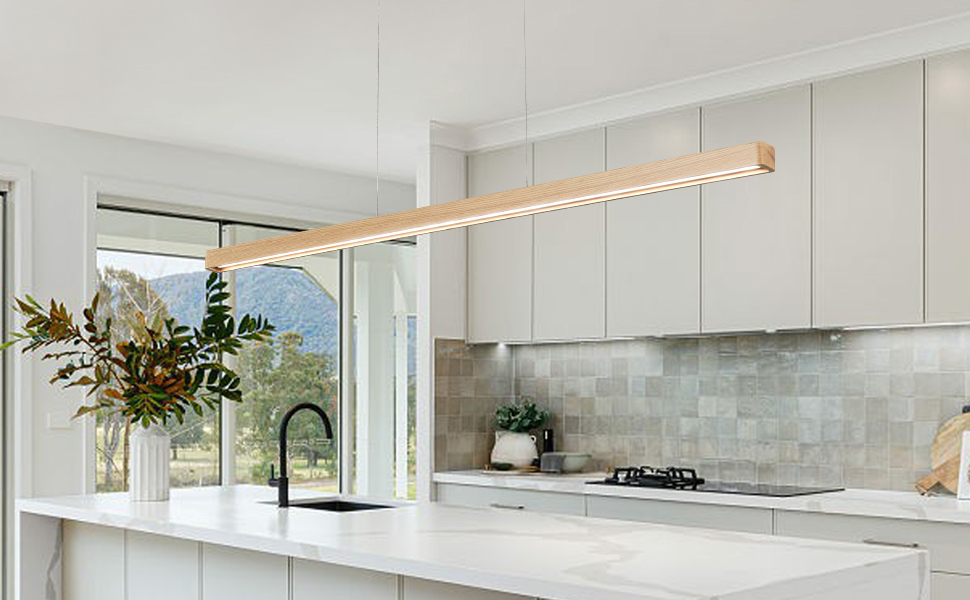
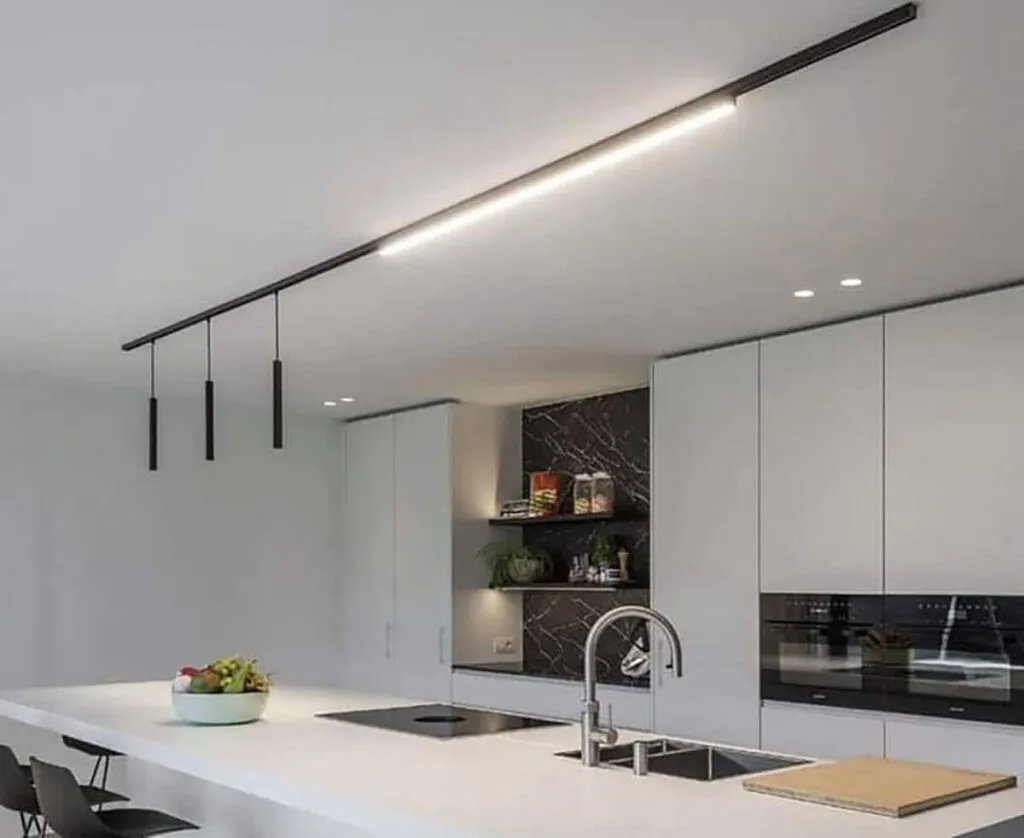
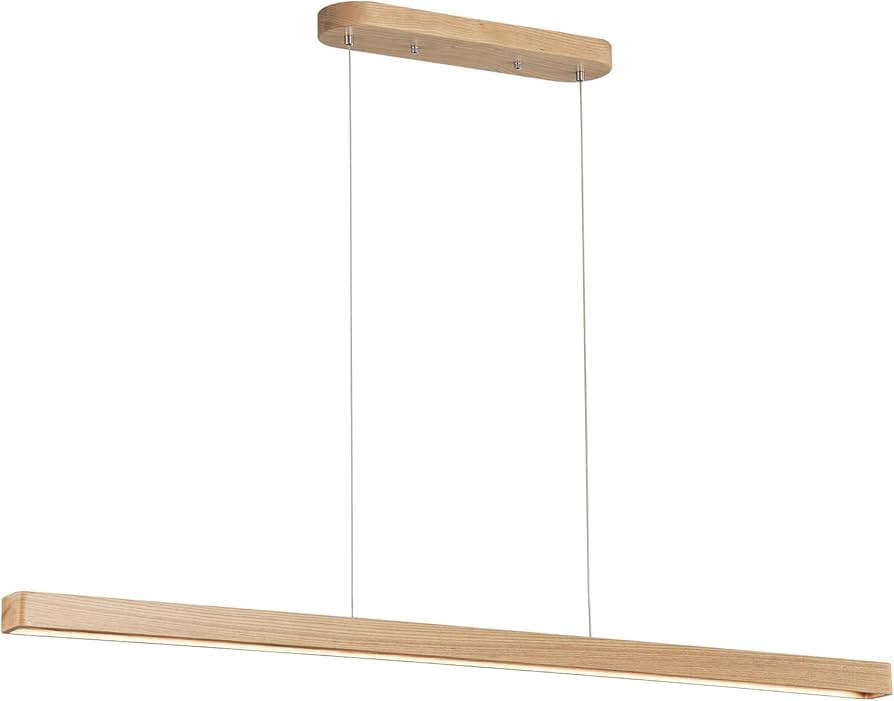
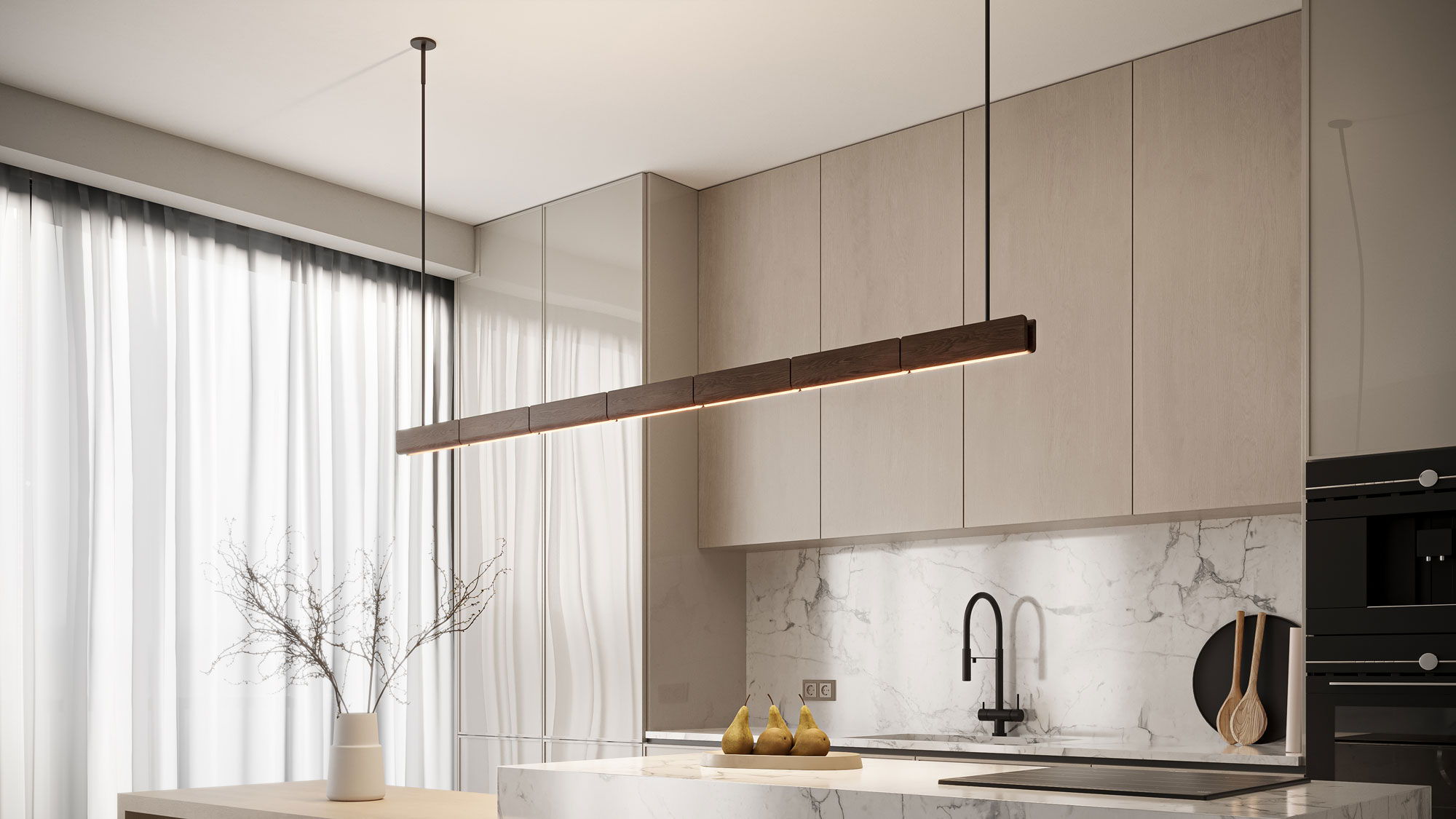
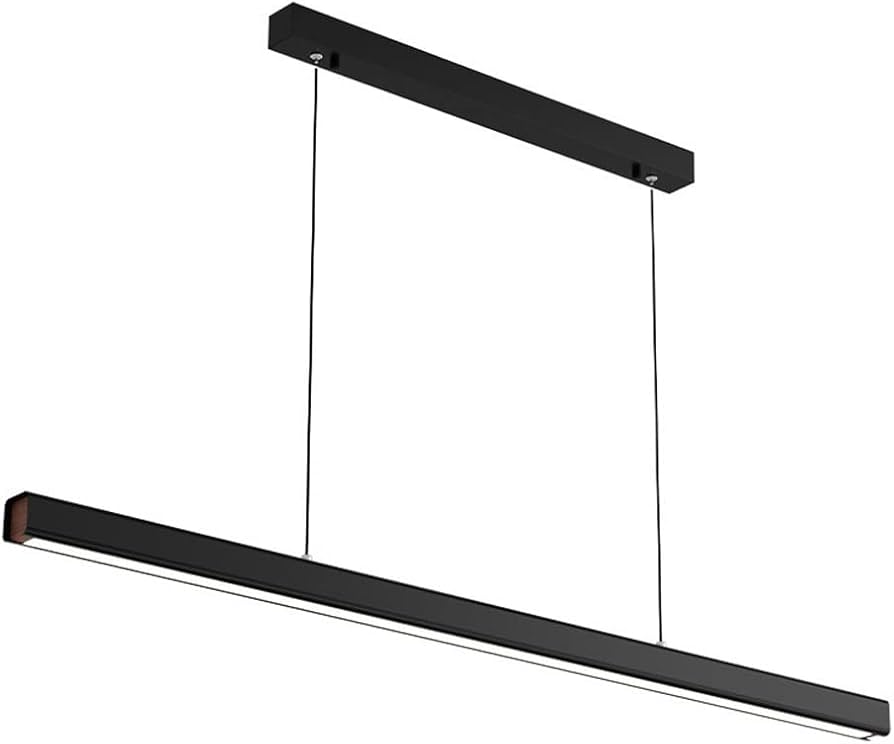
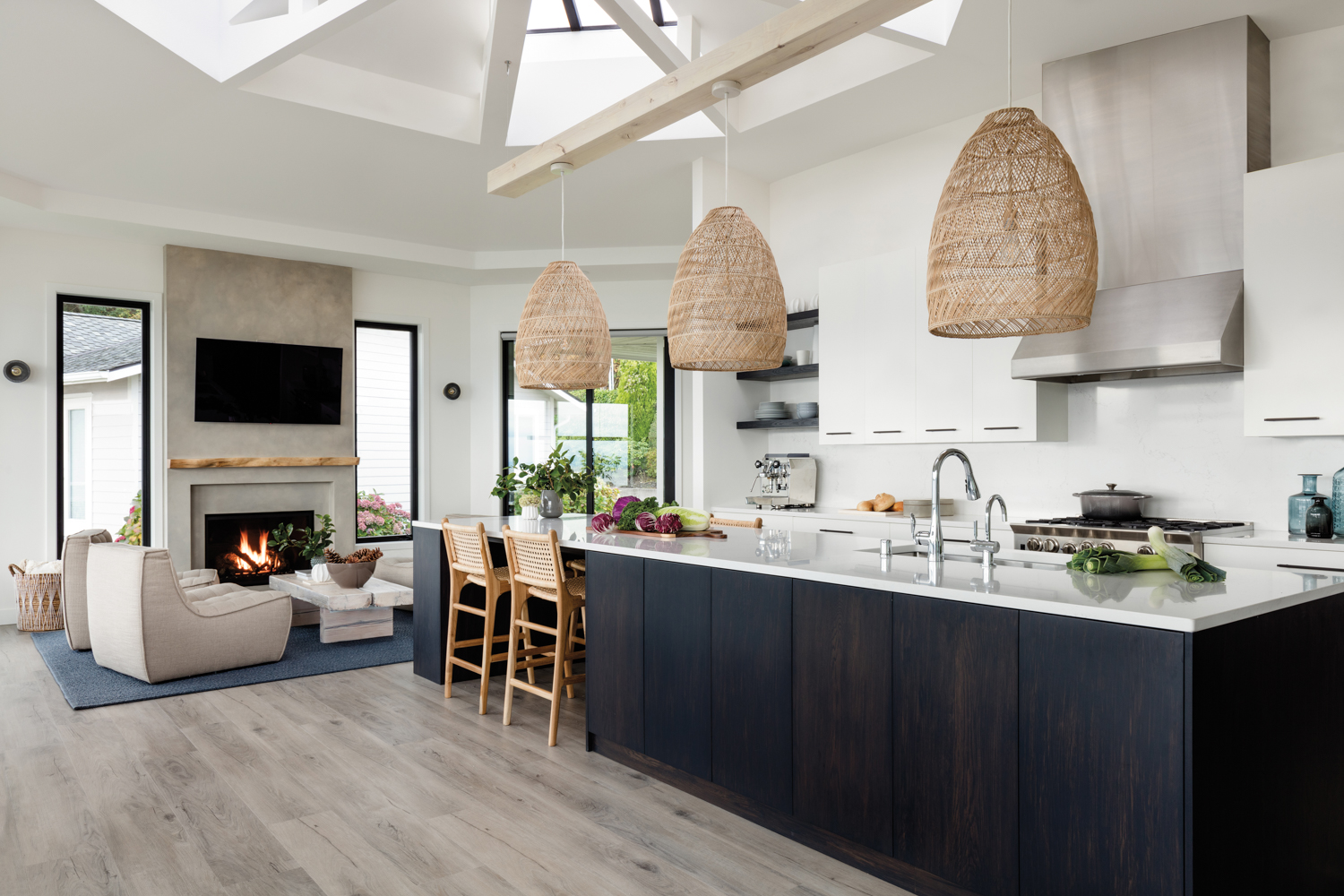
Linear lights, including sleek pendant bars over islands or recessed channels along ceilings, add a contemporary linear emphasis that echoes the style’s straight forms. These elongated fixtures in minimalist kitchen design style distribute even light across larger areas, supporting ambient needs with minimal visual intrusion and often incorporating dimmable features for adaptable moods.
Soft white lighting, typically in the warm-to-neutral LED range (around 3000K-4000K), brings a gentle, inviting warmth that avoids the starkness of cooler tones. This mellow illumination in modern kitchen design fosters a cozy yet crisp atmosphere, reflecting off neutral surfaces to amplify brightness and depth without glare. By combining hidden, linear, and soft white elements, artificial lighting in minimalist kitchen design style delivers versatile, energy-efficient solutions that complement daily life, ensuring the minimal kitchen remains a peaceful, well-lit sanctuary long after sunset.
:max_bytes(150000):strip_icc()/spr-dealgadgets-2-pack-under-cabinet-lights-kimberly-souza-8-17da2cb2574e461db0c6da1d07e63a4b.jpeg)


:strip_icc()/MindyGayerDesignCo._Whitekitchenwithbotanicals-9aba972bfb684c82beeb974127a658ce.jpeg)
Mastering lighting in minimalist kitchen design style illuminates the profound impact of thoughtful illumination on this timeless aesthetic. Through the strategic embrace of natural lighting via large windows and minimal obstructions, complemented by discreet artificial options like hidden sources, linear fixtures, and soft white tones, designers craft minimal kitchens that radiate balance and poise. This integrated approach not only elevates functionality in modern kitchen design but also deepens the serene allure of minimalist interiors and simple kitchen styles, creating spaces where light itself becomes a subtle, essential design element for enduring comfort and beauty.